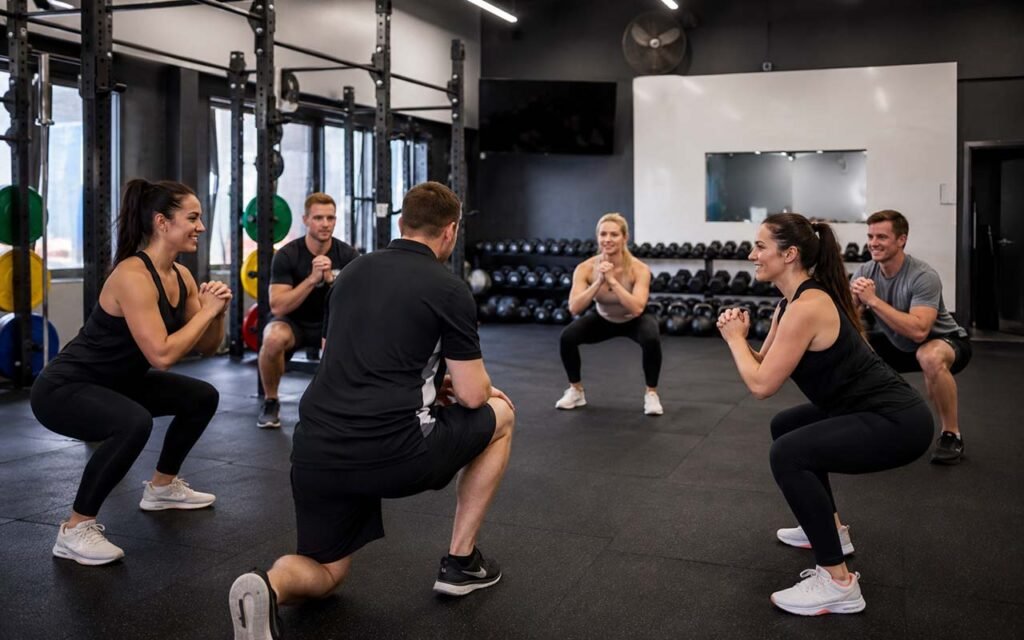

Choosing between Personal Training vs Group Training is one of the biggest decisions people make when starting or returning to a fitness routine. Both options can improve strength, fitness, confidence, and overall health, but they deliver those results in different ways. The right choice depends on your goals, current fitness level, budget, motivation, and the type of environment where you perform your best.
At EFM Glenelg, we have worked with members from all walks of life for more than 15 years. Some achieve outstanding results through one-on-one coaching, while others thrive in our supportive group personal training sessions. There is no universal answer because every person begins their fitness journey from a different starting point. Understanding how each approach works will help you choose the option that fits your lifestyle and keeps you progressing over the long term.
Understanding Personal Training
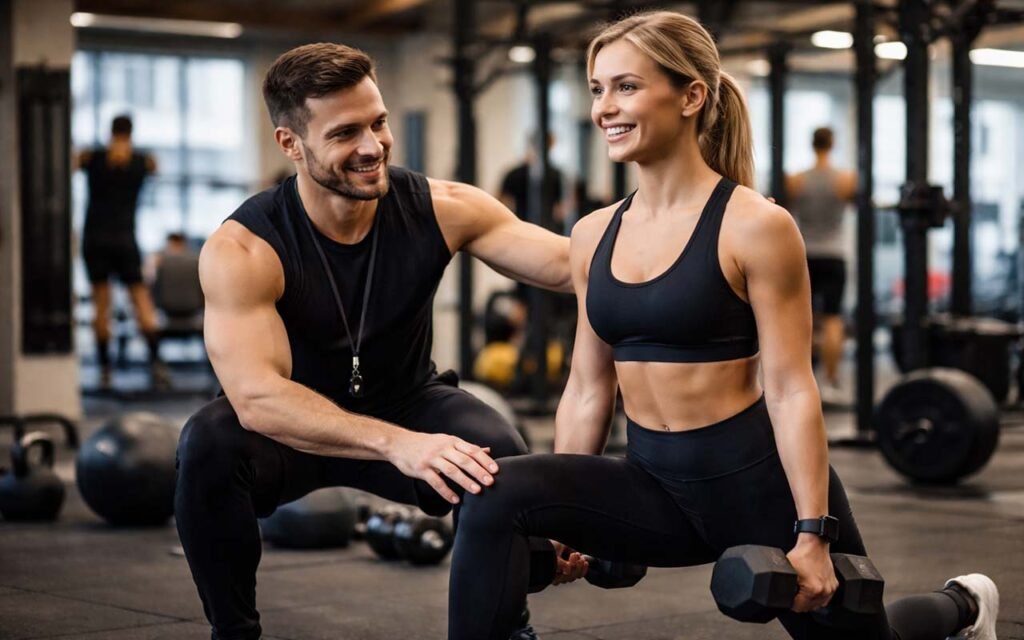
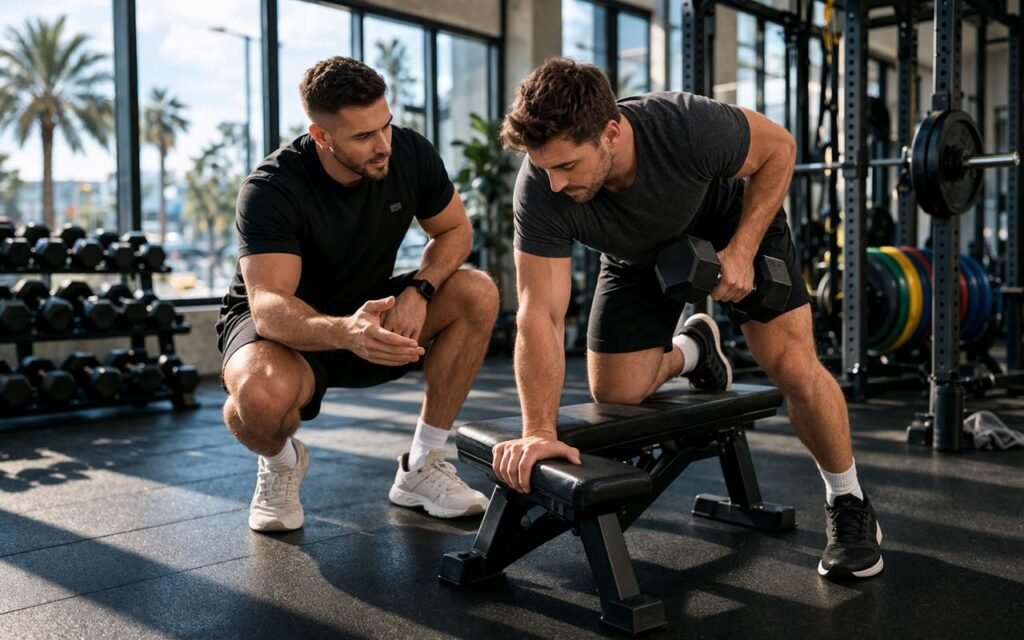
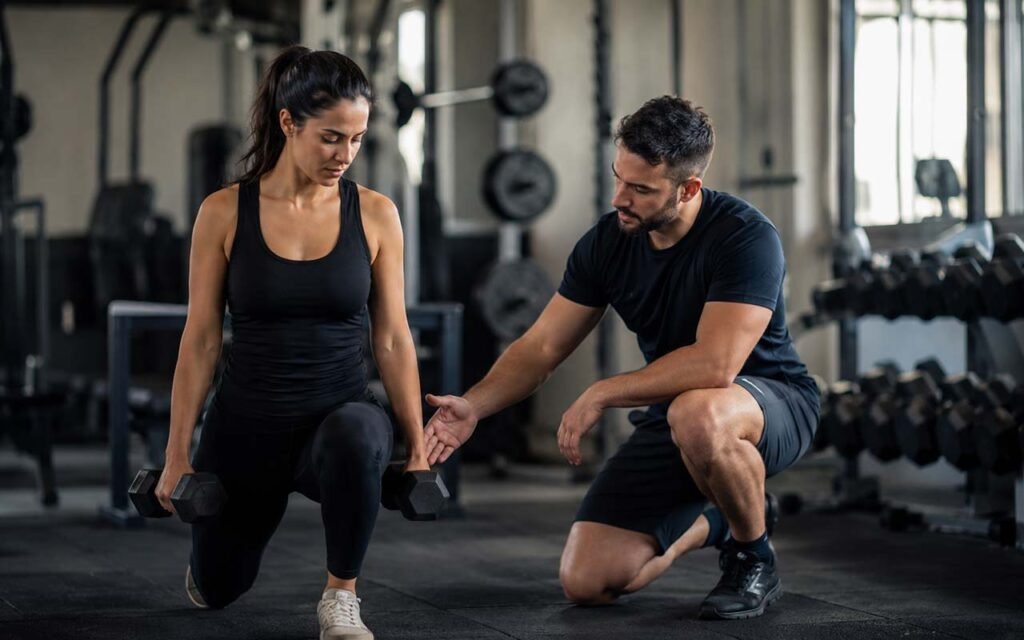
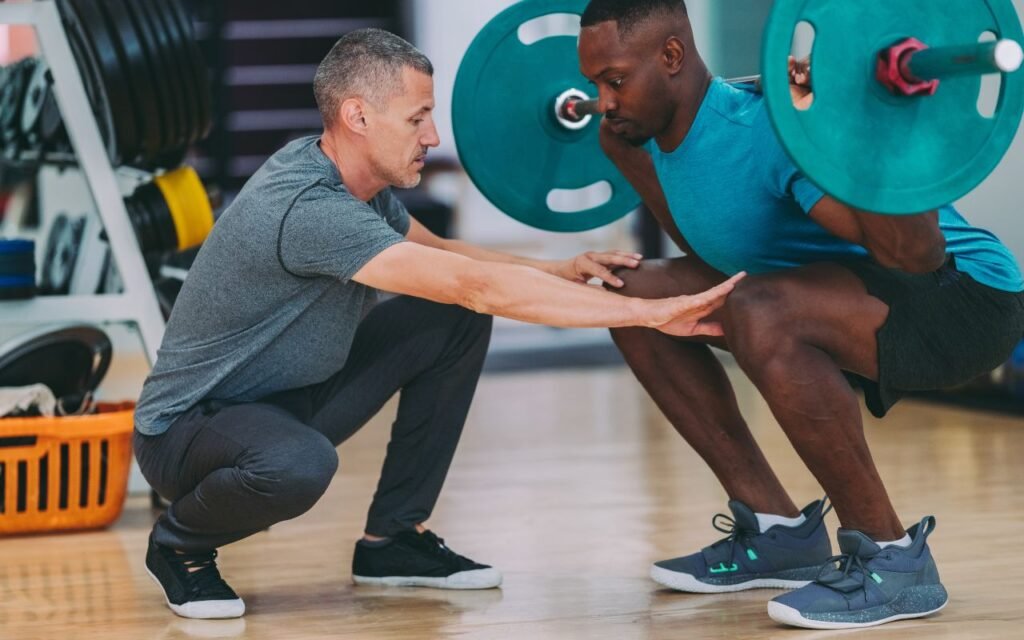
Personal training is a one-on-one coaching experience where every workout is designed specifically for you. Your trainer develops a program based on your fitness level, goals, movement ability, injury history, and progress. Every exercise, repetition, and adjustment is tailored to your individual needs.
This personalised approach allows you to learn proper technique while receiving immediate feedback throughout each session. Your trainer monitors your performance closely and adjusts your program as your strength, endurance, and confidence improve.
From our experience coaching members at EFM Glenelg, personal training often suits people who have very specific goals, are recovering from injuries, or simply prefer individual attention while building confidence in the gym.
What Is Group Training?
Group training combines professional coaching with the motivation of exercising alongside others. Unlike large fitness classes where everyone performs the same workout, quality group personal training adapts exercises to suit different fitness levels while still maintaining the energy of a team environment.
Participants complete structured sessions under the supervision of qualified trainers who provide coaching, encouragement, and technique corrections throughout the workout.
Many people are surprised by how personalised group training can be. At EFM Glenelg, our trainers modify exercises for each member so beginners and experienced participants can train together safely while working toward their own goals.
The social atmosphere also helps many members remain consistent because they enjoy training with familiar faces each week.
Personal Training vs Group Training for Different Fitness Goals
Your fitness goals should play a major role when deciding between these two training styles.
If your objective is to improve movement quality, recover after an injury, prepare for a sporting event, or achieve rapid body composition changes, personal training may provide the focused coaching you need.
If your goal is improving general fitness, building healthy habits, increasing energy, or maintaining an active lifestyle, group training often provides an excellent balance between coaching quality and affordability.
Many people also combine both approaches. They begin with several personal training sessions to learn correct movement patterns before transitioning into group personal training for long-term consistency.
That combination often provides excellent value while maintaining steady progress.
Comparing Personal Training and Group Training
| Feature | Personal Training | Group Training |
|---|---|---|
| Coaching | One-on-one | Small group with individual guidance |
| Workout Plan | Fully customised | Adapted within a structured session |
| Cost | Higher investment | More affordable |
| Motivation | Trainer focused | Trainer plus group support |
| Accountability | Very high | High through coaches and members |
| Social Interaction | Limited | Strong community atmosphere |
| Best For | Specific goals and rehabilitation | General fitness and long-term consistency |
| Flexibility | Highly personalised | Scheduled session times |
While both methods deliver results, choosing the right environment often determines how consistently you continue training over the months and years ahead.
Cost and Long-Term Value
Cost is often one of the first factors people consider, but value matters more than price alone. Personal training generally requires a higher financial commitment because every session is dedicated to one individual. In return, you receive customised programming, continuous feedback, and a training plan built specifically around your progress.
Group personal training offers professional coaching at a lower cost per session, making it a practical option for many people who want expert guidance without stretching their budget. Over time, affordability can improve consistency. When members enjoy their training and can comfortably maintain their membership, they are far more likely to build lasting habits and achieve sustainable results.
Which Option Delivers Better Results?
One of the most common questions we hear is whether personal training produces better results than group training. The answer depends less on the training format and more on your consistency.
Research published by the American College of Sports Medicine shows that adults should complete at least 150 minutes of moderate physical activity each week alongside muscle-strengthening exercises on two or more days. Following these guidelines consistently has a greater impact on long-term health than choosing one training style over another.
From our experience at EFM Glenelg, members who attend scheduled sessions regularly often outperform those with the “perfect” program but inconsistent attendance. The best training plan is the one you genuinely enjoy and can stick with over the long term.
How to Decide Which Training Style Fits You
If you’re still deciding between the two, ask yourself a few simple questions.
- Do you want completely personalised coaching?
- Are you motivated by training alongside others?
- What budget can you comfortably maintain?
- Do you have previous injuries or movement limitations?
- Will a scheduled group environment help you stay accountable?
Answering these questions honestly usually makes the decision much easier.
Many people also find success by changing their approach over time. Someone new to exercise might begin with personal training to build confidence before joining group sessions. Others enjoy group training year-round but schedule occasional personal training sessions to refine technique or work toward a specific milestone.
Common Myths About Personal and Group Training
There are several misconceptions that stop people from choosing the training option that suits them best.
Some believe group training offers very little individual attention. In reality, professionally coached small-group sessions allow trainers to monitor technique, adjust exercises, and provide encouragement throughout the workout.
Another common myth is that personal training is only for elite athletes. In practice, many beginners benefit the most because they learn proper movement patterns early, reducing the likelihood of poor technique becoming a habit.
We’ve also met many members who believed they needed to become fit before joining a gym. The truth is that quality coaching is designed to help people start wherever they are, regardless of age or fitness level.
Expert Insight from the Coaches at EFM Glenelg
After supporting the Glenelg community for more than 15 years, we’ve learned that successful fitness journeys rarely follow the same path.
Some members flourish with the focused attention of personal training, while others gain confidence from the encouragement and accountability that comes from training with a supportive group. Neither approach is inherently better. The best choice is the one that keeps you showing up each week.
We also encourage members to reassess their goals regularly. Your fitness needs today may not be the same six months from now. Staying flexible and adapting your training style as your goals evolve often leads to better long-term outcomes.
Frequently Asked Questions
Is personal training worth the extra cost?
For people with specific goals, injuries, or those wanting individual coaching, personal training can provide excellent value through customised programming and ongoing support.
Can beginners join group personal training?
Absolutely. Well-structured group personal training is designed to accommodate different fitness levels. Exercises can be modified so everyone trains safely while progressing at their own pace.
Which burns more calories?
Calorie expenditure depends more on workout intensity, duration, body weight, and effort than whether you choose personal or group training.
Can I combine both training styles?
Yes. Many members start with personal training to build confidence and then transition into group personal training while booking occasional one-on-one sessions to refine technique and set new goals.
Conclusion
Choosing between Personal Training vs Group Training comes down to your individual goals, learning style, motivation, and budget. Both approaches provide valuable benefits when guided by experienced coaches who understand how to create safe, effective, and enjoyable workouts.
If you want highly personalised coaching with every session tailored to your needs, personal training may be the ideal fit. If you enjoy a motivating atmosphere, expert guidance, and the energy of training with others, group personal training can offer outstanding value while helping you stay consistent.
At EFM Glenelg, we believe fitness should be sustainable, enjoyable, and built around your lifestyle. Whether you choose one-on-one coaching, group personal training, or a combination of both, the most important step is getting started and remaining consistent.