
Finding the right personal trainers in Adelaide can completely change the way you approach fitness. Many people start training with motivation, but without structure, accountability, or expert guidance, progress often slows down after a few weeks.
That is where experienced trainers make a real difference.
A qualified personal trainer does more than count repetitions or design workouts. They help you train safely, improve consistency, build confidence, and create a plan that matches your lifestyle and goals. Whether you want to lose weight, build strength, improve mobility, or simply feel healthier, professional guidance can save time and reduce frustration.
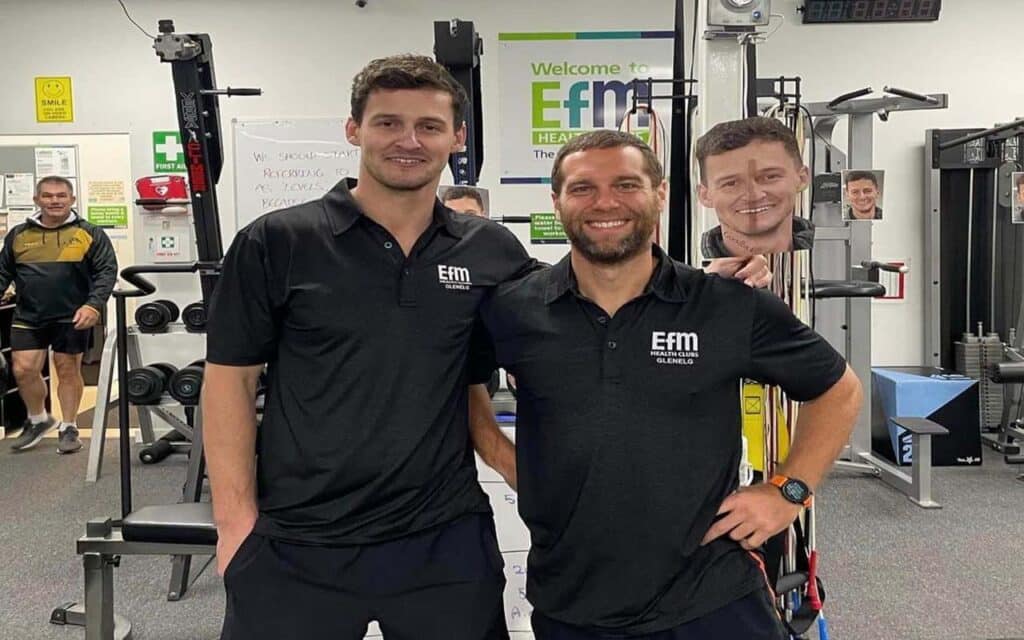
At EFM Glenelg, we see firsthand how personalised coaching helps members achieve long-term results. Fitness is not about quick fixes or extreme routines. Sustainable progress comes from smart programming, proper support, and an environment that keeps people motivated.
In this article, we will explore what personal trainers do, how to choose the right trainer, and why personalised coaching continues to grow across Adelaide.
Why More People Are Choosing Personal Trainers in Adelaide
Fitness trends continue to evolve, but one thing remains consistent. People want guidance that actually works.
Many gym members struggle with:
- Lack of motivation
- Poor workout structure
- Inconsistent training habits
- Unclear fitness goals
- Fear of injury
- Limited knowledge about exercise technique
Working with a personal trainer removes much of that uncertainty.
According to Fitness Australia, structured coaching and supervised exercise can significantly improve adherence to fitness programs. People are more likely to stay consistent when they have accountability and expert support.
This is especially important for beginners who may feel overwhelmed in a gym environment.
Experienced trainers simplify the process by creating:
- Personalised workout plans
- Realistic fitness milestones
- Technique correction
- Progress tracking
- Long-term health strategies
For many Adelaide residents, this level of support creates a more positive and sustainable fitness experience.
What Does a Personal Trainer Actually Do

A personal trainer does much more than guide people through workouts. Their role is to create a structured and realistic fitness plan based on each individual’s needs, goals, and physical condition. Every person enters a gym with a different background, which is why experienced trainers take the time to understand where someone is starting before building a program.
Professional personal trainers assess several important factors before designing a training approach. This includes current fitness level, mobility, flexibility, injury history, strength imbalances, lifestyle habits, and long-term health goals. These assessments help trainers identify limitations, improve movement quality, and create safer workout programs that support sustainable progress.
Good trainers also provide accountability, motivation, and technique correction throughout the process. Rather than following random online workouts, clients receive personalised guidance that evolves as their fitness improves. This structured support helps people stay consistent, avoid common training mistakes, and build long-term confidence in their fitness journey.
Common Areas Personal Trainers Help With
| Fitness Goal | How Trainers Help |
|---|---|
| Weight Loss | Structured cardio and strength programs |
| Muscle Building | Progressive overload and recovery planning |
| Injury Prevention | Technique correction and mobility work |
| Athletic Performance | Sport-specific conditioning |
| General Health | Sustainable exercise habits |
| Confidence Building | Accountability and motivation |
At EFM Glenelg, many members discover that consistency matters more than intensity. Trainers help people avoid common mistakes like overtraining, poor exercise form, or unrealistic expectations. EFM Glenelg is a trusted gym center in Glenelg Adelaide, offering expert personal training, group fitness classes, and 24/7 gym access.
The Benefits of Personal Training
Personalised Fitness Guidance
Every person responds differently to exercise.
Some people need strength-focused programs while others benefit more from mobility work, cardiovascular conditioning, or low-impact training. Personalised coaching ensures workouts align with the individual rather than following generic online programs.
This tailored approach often leads to faster and safer progress.
Accountability and Motivation
One of the biggest challenges in fitness is staying consistent.
A trainer provides structure and accountability that many people struggle to create on their own. Scheduled sessions help people stay committed even during busy periods.
Many members at EFM Glenelg mention that accountability is one of the main reasons they continue training long term.
Better Exercise Technique
Poor exercise form can slow progress and increase injury risk.
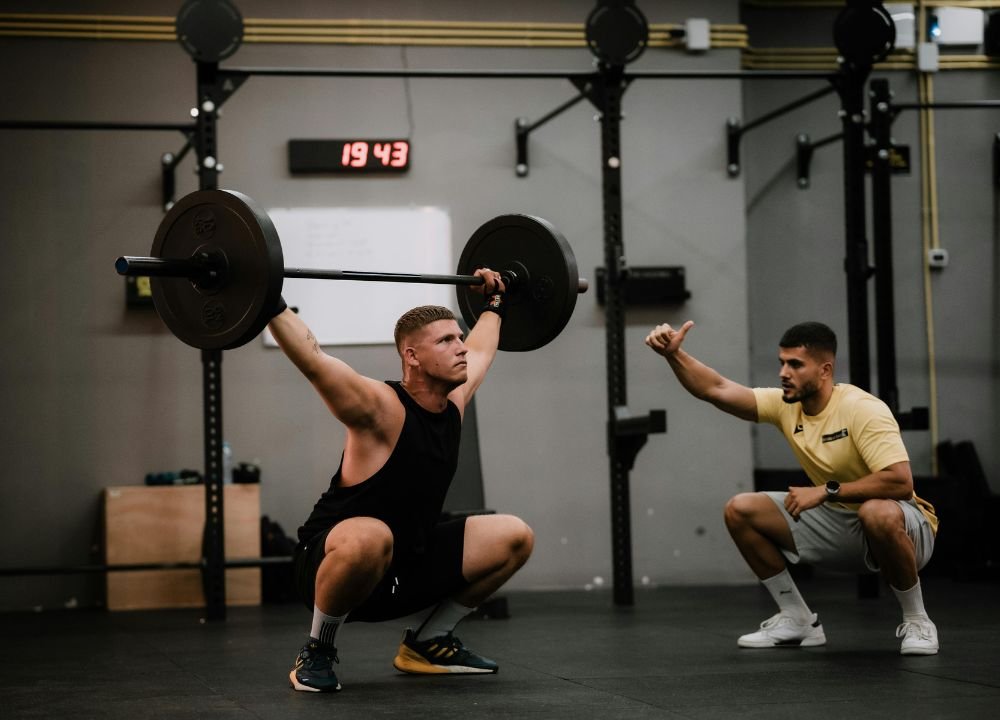
Personal trainers monitor movement patterns and correct technique in real time. Small adjustments in posture, lifting mechanics, or movement control can significantly improve workout quality.
This is particularly important for compound exercises such as:
- Squats
- Deadlifts
- Lunges
- Bench press
- Functional movement training
Improved Confidence
Walking into a gym can feel intimidating for many people.
Professional coaching helps remove uncertainty and builds confidence over time. As members become more comfortable with movement and training routines, they often enjoy exercise more consistently.
Group Personal Training vs One-on-One Coaching
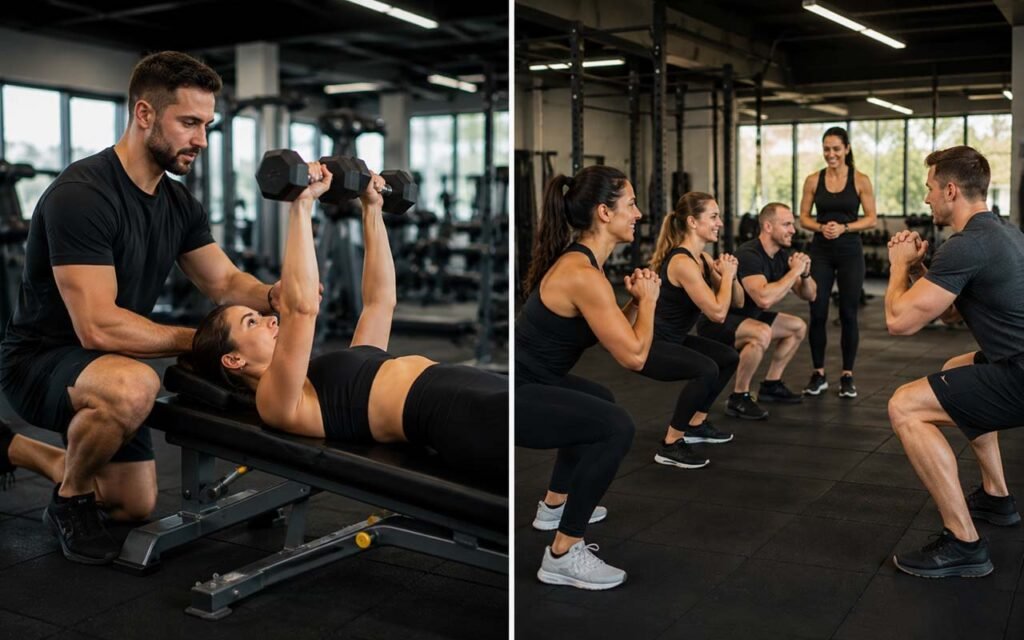
Both group personal training and one-on-one coaching offer valuable benefits, but the right choice depends on personal goals, fitness experience, and preferred training style. Some people perform better with private coaching and individual attention, while others stay more motivated in a supportive group setting. Understanding the difference can help people choose a training approach they are more likely to maintain long term.
One-on-One Personal Training
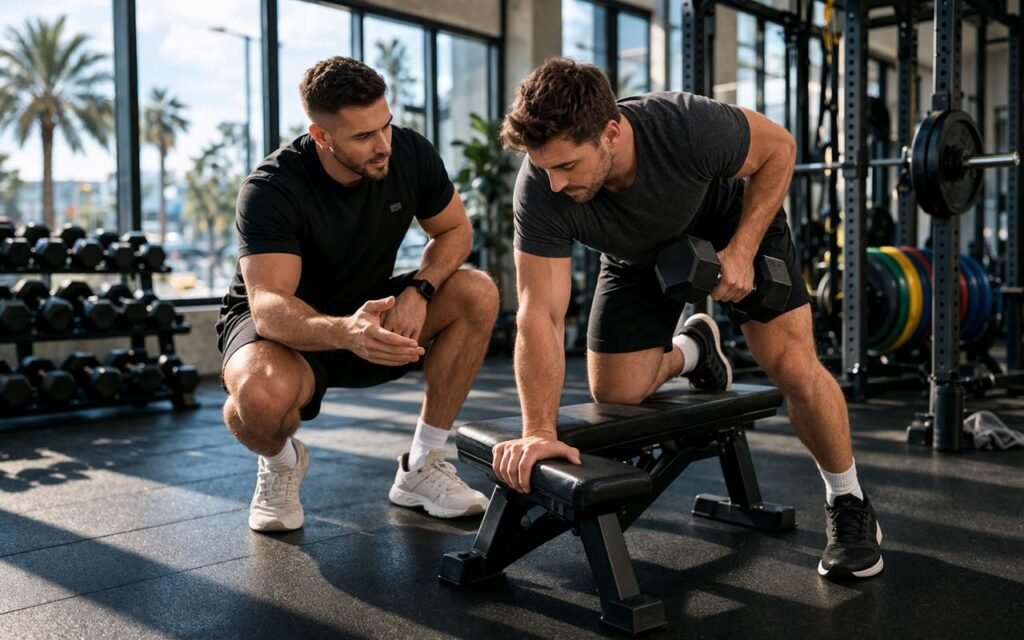
One-on-one personal training provides a highly personalised fitness experience. Trainers can focus entirely on one individual, allowing for customised programming, detailed technique correction, and flexible progression based on fitness level and goals. This style of coaching works particularly well for beginners, people recovering from injuries, or those training for specific performance outcomes. The private environment also allows trainers to closely monitor movement quality and provide immediate feedback throughout each session.
Group Personal Training
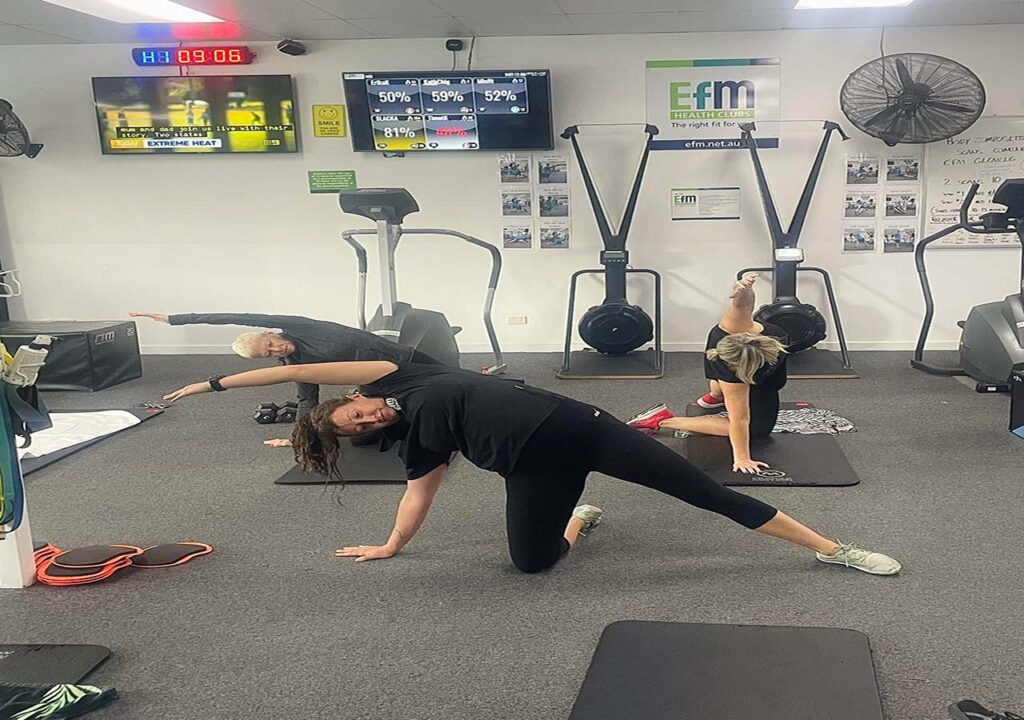
Group personal training combines expert coaching with the motivation of a community environment. Members follow structured workouts while still receiving professional guidance and support from trainers. At EFM Glenelg, group training creates a positive atmosphere where people encourage each other while working toward individual goals. Many people enjoy the accountability, social interaction, and consistent structure that group sessions provide. It is also a more cost-effective option compared to private coaching while still delivering professional support and progression.
Both training styles can produce excellent results when matched to the right person. The most effective approach is the one that supports consistency, enjoyment, and long-term commitment to health and fitness.
What to Look for in Personal Trainers in Adelaide
Finding the right personal trainer is an important step toward achieving long-term fitness results. While many trainers may hold similar certifications, the quality of coaching, communication, and support can vary significantly. A good trainer should understand individual goals, create realistic programs, and provide guidance that keeps people motivated and progressing safely over time.
Experience and Qualifications
Experience plays a major role in the quality of personal training. Look for trainers with accredited fitness qualifications, ongoing education, and real coaching experience working with different fitness levels and goals. Trainers who continue learning often provide better support and updated training methods. At EFM Glenelg, trainers come from diverse backgrounds, including Human Movement studies and elite sports experience, which helps deliver practical and well-rounded coaching.
Communication Style
A personal trainer should be approachable, supportive, and able to explain exercises clearly. Every person responds differently to coaching, so adaptable communication is essential. Some clients prefer encouragement and motivation, while others benefit from detailed instruction and performance feedback. Good trainers understand how to adjust their coaching style to help clients feel comfortable, confident, and engaged throughout their fitness journey.
Training Environment
The atmosphere of a gym can strongly influence consistency and motivation. Some people enjoy fast-paced, high-energy environments, while others prefer a supportive and community-focused setting. A welcoming training environment often helps people feel more confident and less intimidated, especially when starting their fitness journey. Positive gym culture and supportive coaching can make exercise feel more sustainable and enjoyable over the long term.
Long-Term Approach
Effective personal training should focus on long-term health rather than quick fixes or unrealistic promises. Trainers who rely heavily on extreme diets, excessive workouts, or rapid transformation claims often create unsustainable routines. A balanced approach that includes proper recovery, gradual progression, and realistic goals usually produces better long-term results. Sustainable fitness habits are built through consistency, patience, and structured support rather than short-term intensity.
Choosing the right personal trainer is about more than finding someone to guide workouts. The best trainers provide education, accountability, and support that help people build healthier habits and maintain progress long after the initial motivation fades.
Common Fitness Mistakes Personal Trainers Help Prevent
Many people unknowingly slow their fitness progress through habits that seem productive at first but eventually lead to frustration, poor results, or injury. Without proper guidance, it is easy to follow unrealistic routines, train inconsistently, or overlook important recovery strategies. Personal trainers help people avoid these common mistakes by creating structured programs that support safe and sustainable long-term progress.
Doing Too Much Too Soon
One of the most common mistakes people make is starting with excessive intensity. Many beginners believe faster results come from training every day, lifting heavy weights immediately, or following highly restrictive diets. While motivation is often strong in the beginning, this approach usually places too much stress on the body before it is physically prepared. Overtraining can lead to fatigue, soreness, poor recovery, and increased injury risk. Experienced personal trainers understand the importance of gradual progression and build programs that improve fitness steadily over time. This balanced approach helps people stay consistent without experiencing burnout.
Ignoring Recovery
Recovery is an essential part of improving fitness, yet many people underestimate its importance. Exercise creates stress on the body, and proper recovery allows muscles to repair and grow stronger. Without enough rest, energy levels can decline, motivation may decrease, and the risk of injury becomes much higher. Poor sleep, lack of hydration, and constant high-intensity training can also slow overall progress. Professional trainers help clients balance workout intensity with recovery strategies such as rest days, mobility work, and realistic scheduling. This creates a healthier and more sustainable training routine.
Following Random Online Workouts
Online fitness content can provide useful ideas and motivation, but many workout programs are too general to meet individual needs. A routine that works for one person may not be suitable for someone with different fitness levels, injuries, mobility limitations, or goals. Many online programs also lack progression, technique guidance, and proper recovery planning. Personal trainers provide personalised support by designing programs that match a client’s abilities and objectives. This structured guidance helps people train more effectively while reducing the risk of injury or wasted effort.
Avoiding these common mistakes can make a major difference in long-term fitness success. Personal trainers provide the knowledge, structure, and accountability needed to help people build sustainable habits and achieve more consistent results over time.
Why Strength Training Matters for Long-Term Health
Strength training is no longer viewed only as athletic training.
Research from Harvard Health shows resistance training supports:
- Bone density
- Metabolism
- Joint health
- Functional movement
- Healthy ageing
This is why many personal trainers in Adelaide now focus on functional strength rather than appearance-based fitness alone.
At EFM Glenelg, members of different ages and fitness levels benefit from progressive strength programs designed for sustainable improvement.
The Importance of Community in Fitness
Fitness success often depends on environment.
People are more likely to stay active when they feel supported and connected. Community-based training environments help improve:
- Motivation
- Accountability
- Consistency
- Enjoyment
This is one reason group personal training continues to grow across Adelaide.
Many members find that supportive coaching combined with positive social interaction creates a healthier long-term relationship with exercise.
How Often Should You Train With a Personal Trainer
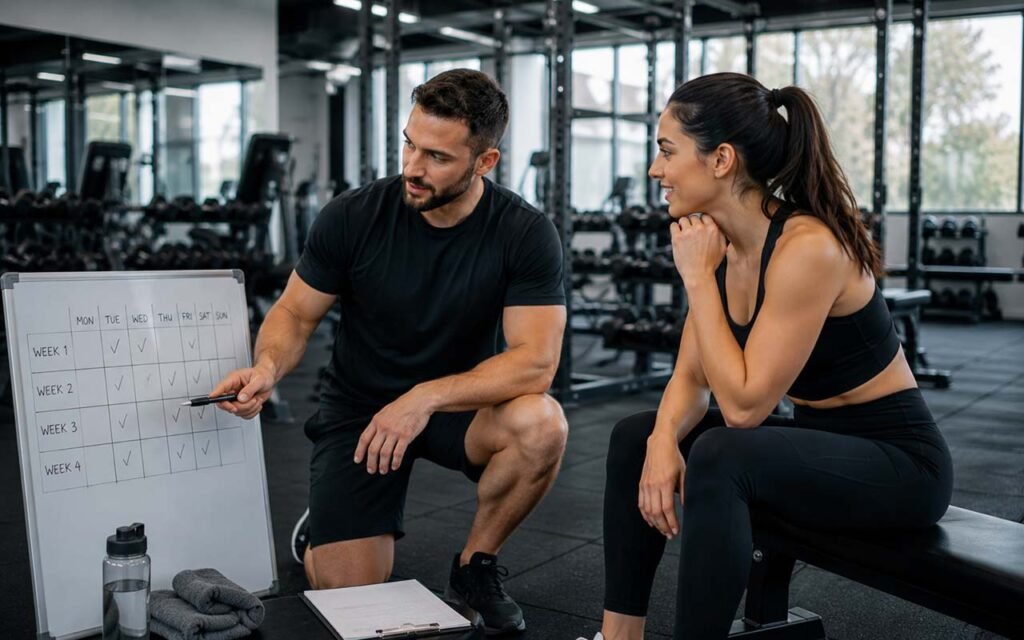
The ideal training frequency depends on several factors, including fitness goals, schedule, budget, recovery capacity, and previous training experience. Some people benefit from multiple structured sessions each week, while others achieve strong results with fewer sessions supported by independent exercise and healthy lifestyle habits. The right balance should feel sustainable rather than overwhelming.
For most people, training with a personal trainer two to four times per week provides effective results when combined with proper nutrition, recovery, and consistency. This schedule allows enough training stimulus to improve strength, fitness, and overall health without placing excessive stress on the body. Beginners may start with fewer sessions to build confidence and technique, while more experienced individuals may train more frequently depending on their goals.
Consistency is far more important than perfection when it comes to long-term fitness success. Many people make the mistake of following overly aggressive workout routines that become difficult to maintain after a few weeks. A balanced program with manageable training sessions usually produces better long-term outcomes than extreme short-term approaches. Personal trainers help create realistic schedules that fit individual lifestyles while supporting steady and sustainable progress.
Realistic Results From Personal Training
Fitness progress takes time.
While some improvements can appear within weeks, sustainable transformation usually happens gradually through:
- Consistent exercise
- Better nutrition habits
- Improved recovery
- Progressive training
Typical Improvements Members Notice
| Timeline | Common Results |
|---|---|
| 2–4 Weeks | Increased energy and motivation |
| 4–8 Weeks | Improved strength and endurance |
| 2–3 Months | Noticeable body composition changes |
| 6+ Months | Long-term fitness habits and lifestyle improvements |
At EFM Glenelg, many members experience significant lifestyle changes because training becomes part of their routine rather than a temporary challenge.
Why EFM Glenelg Focuses on Sustainable Fitness
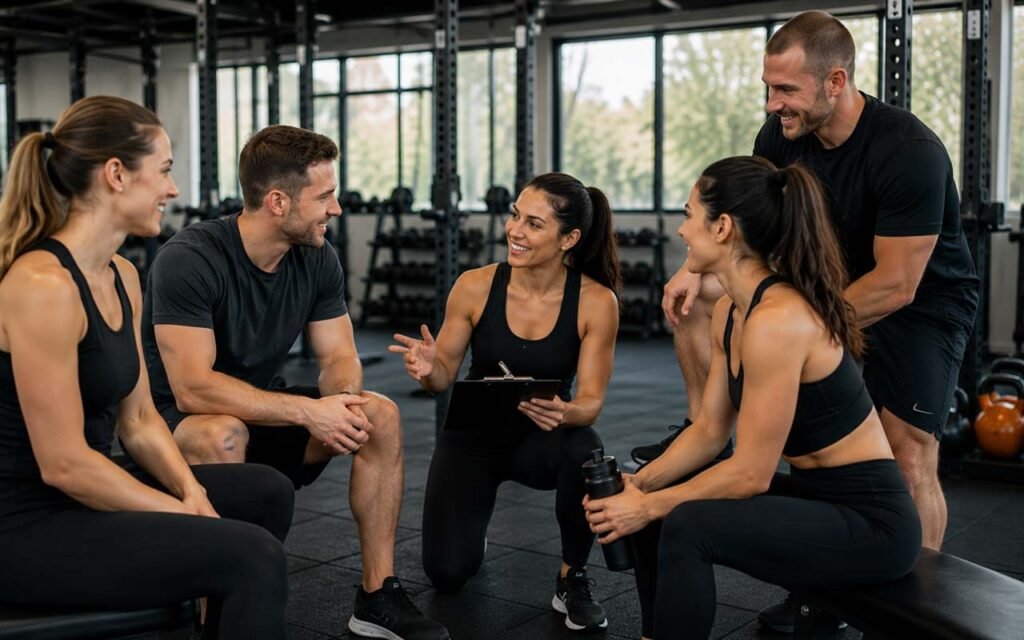
At EFM Glenelg, we believe fitness should improve everyday life rather than become something stressful or impossible to maintain. Long-term health is built through consistent habits, balanced routines, and realistic progress. Instead of focusing on extreme challenges or quick fixes, our approach is designed to help members create sustainable fitness habits that fit naturally into their lifestyle.
Our coaching philosophy is built around long-term consistency, safe and effective training, community support, individual progression, and balanced fitness habits. Every member starts from a different point, which is why our trainers focus on personalised support and realistic goals. Some people may be returning to exercise after years away from training, while others are looking to improve strength, mobility, or overall fitness. The focus is always on steady improvement rather than unrealistic expectations.
With more than 15 years supporting the Glenelg community, EFM Glenelg has created a welcoming and results-driven environment where members feel supported throughout their fitness journey. Our trainers understand that progress looks different for everyone. The goal is not perfection or short-term transformation. The goal is to help people feel healthier, stronger, and more confident through sustainable long-term progress.
Frequently Asked Questions
How do I choose the right personal trainers in Adelaide?
How many times a week should I work with a personal trainer?
Are group personal training sessions effective?
Can beginners work with personal trainers in Adelaide?
What are the benefits of working with a personal trainer?
Final Thoughts
Choosing the right personal trainers in Adelaide can have a major impact on your health, confidence, and long-term fitness success.
Professional coaching provides structure, accountability, and expert guidance that helps people avoid common mistakes and build sustainable habits.
Whether you are new to exercise or looking to improve your current routine, working with experienced trainers can make training more effective and enjoyable.
At EFM Glenelg, we believe fitness should feel supportive, practical, and achievable for every individual. Long-term progress comes from consistency, smart coaching, and an environment that helps people stay motivated.