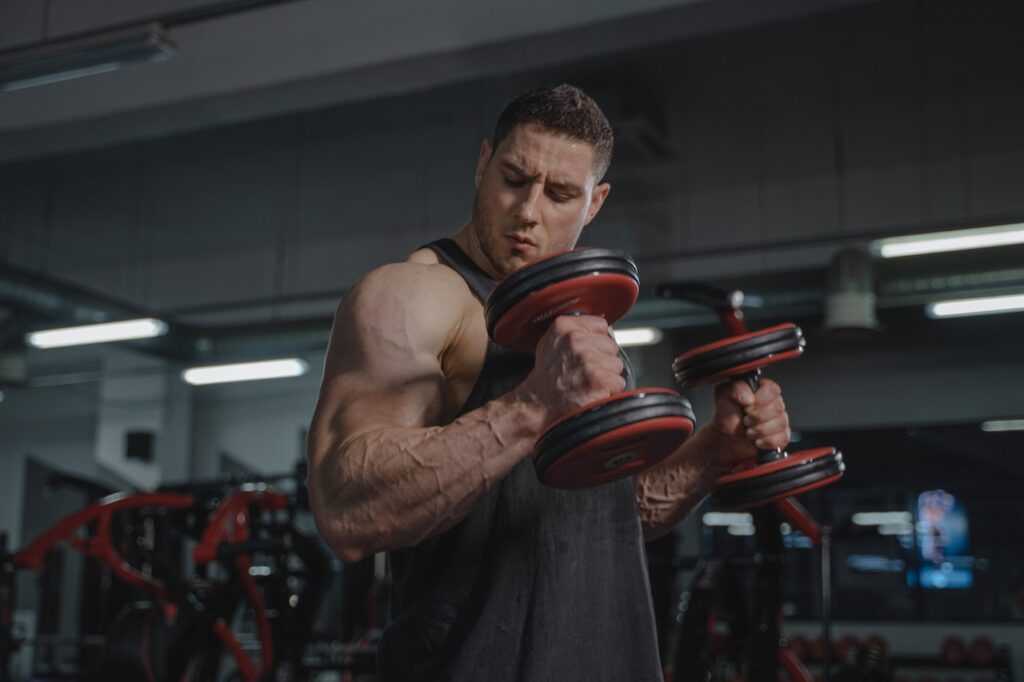

Chest workout exercises with dumbbells are one of the most effective ways to build upper body strength, muscle balance, and joint control. Whether training at home or in a gym, dumbbells allow the chest to work through a natural range of motion that fixed machines and barbells often restrict.
From a coaching perspective, dumbbells are one of the most reliable tools for developing chest strength safely. They improve muscle activation, highlight imbalances, and reduce unnecessary joint stress when used correctly. For many people, they also make chest training more accessible and consistent.
This article explains how chest workout exercises with dumbbells work, which exercises deliver the best results, and how to structure training for strength and muscle growth.
Why Dumbbells Are Effective for Chest Training
Dumbbells require each side of the body to work independently. This increases muscle engagement and improves coordination. Unlike barbells, dumbbells allow the shoulders and elbows to move freely, which often leads to better comfort and control.
From real gym observation, many members who struggle with barbell bench pressing respond better to dumbbell variations. They feel the chest working more clearly and experience fewer shoulder issues.
Key benefits include:
- Greater range of motion
- Improved muscle balance
- Reduced joint stress
- Better control and stability
Research published in the Journal of Strength and Conditioning Research shows higher muscle activation during dumbbell presses compared to barbell presses when similar loads are used.
Chest Workout Exercises with Dumbbells for Strength
Chest workout exercises with dumbbells are effective because they allow natural movement, improve muscle balance, and reduce unnecessary joint strain. Below are seven proven dumbbell chest exercises used regularly in structured training environments, along with clear execution rules to maximise results and safety.
Dumbbell Flat Bench Press
The dumbbell flat bench press is one of the most effective compound chest exercises. It targets the middle portion of the chest while engaging the shoulders and triceps for support.
This exercise allows each arm to work independently, helping correct strength imbalances that often develop with barbell pressing.
How to perform
- Lie flat on a bench with feet planted firmly on the floor
- Hold dumbbells at chest level with palms facing forward
- Press the dumbbells upward until arms are extended
- Lower slowly until elbows are just below bench level
Rules to follow
- Keep wrists stacked over elbows at all times
- Control the lowering phase for at least two seconds
- Avoid locking elbows aggressively at the top
- Maintain a neutral spine and stable shoulder position
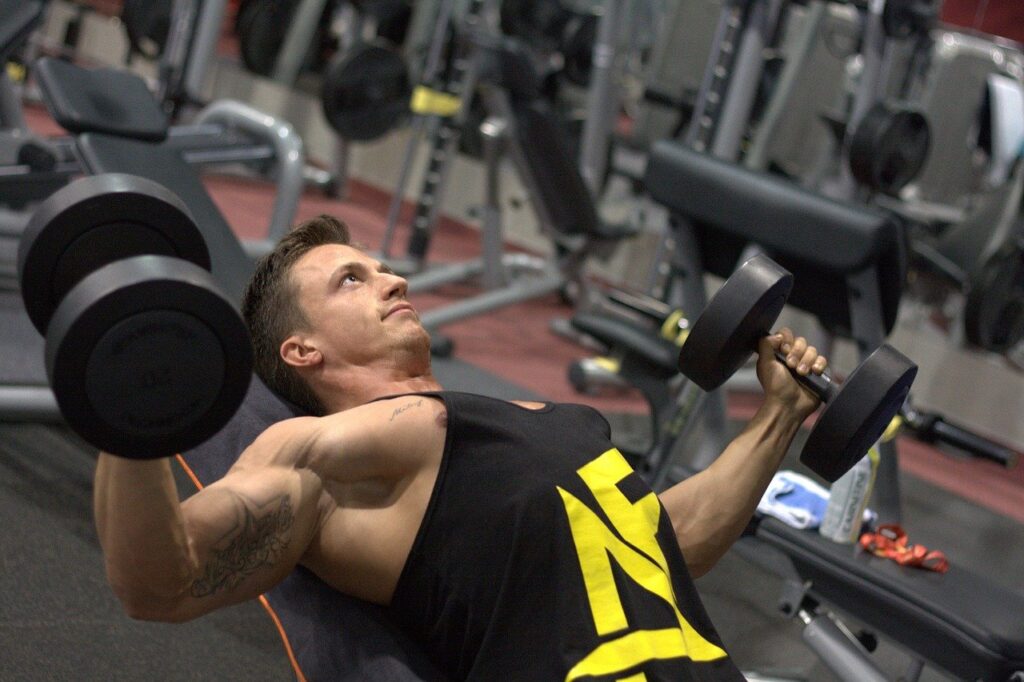
Incline Dumbbell Press
The incline dumbbell press places more emphasis on the upper chest while still engaging the shoulders and triceps. It is essential for building balanced chest development.
From coaching experience, incline angles deliver better chest activation than steep benches, which tend to shift load toward the shoulders.
How to perform
- Set the bench to a low to moderate incline
- Sit back with dumbbells resting on your thighs
- Press the weights up from chest level with palms facing forward
- Bring the dumbbells together slightly at the top
Rules to follow
- Use a controlled range of motion
- Avoid flaring elbows excessively
- Keep shoulders retracted throughout the movement
- Choose a load that allows full control
Dumbbell Chest Fly
The dumbbell chest fly isolates the chest by focusing on horizontal arm movement. It is best used with lighter weights and strict control.
This exercise improves chest activation and muscle awareness when performed correctly.
How to perform
- Lie flat on a bench holding dumbbells above the chest
- Maintain a slight bend in the elbows
- Lower arms outward in a wide arc
- Bring dumbbells back together over the chest
Rules to follow
- Lower slowly and under control
- Stop when you feel a strong chest stretch, not shoulder strain
- Do not turn the fly into a press
- Keep tension on the chest throughout
Incline Dumbbell Fly
Incline dumbbell flyes target the upper chest more directly than flat flyes. This movement improves upper chest definition and balance.
From experience, this exercise works best when performed slowly and with lighter loads.
How to perform
- Set the bench to a gentle incline
- Start with dumbbells directly above the chest
- Lower arms outward in a controlled arc
- Return to the top without touching the dumbbells
Rules to follow
- Use lighter weights than flat flyes
- Keep constant tension on the chest
- Avoid locking arms at the top
- Maintain shoulder stability throughout
Dumbbell Floor Press
The dumbbell floor press limits range of motion, making it joint-friendly and suitable for beginners or those with shoulder discomfort.
This exercise builds pressing strength while protecting the shoulders.
How to perform
- Lie on the floor with knees bent
- Hold dumbbells with elbows resting on the floor
- Press upward until arms are extended
- Lower until elbows gently touch the floor
Rules to follow
- Keep elbows close to the body
- Pause briefly on the floor for control
- Avoid bouncing off the ground
- Maintain steady breathing throughout
Neutral Grip Dumbbell Press
The neutral grip press uses palms facing inward, which reduces shoulder stress and increases stability.
This variation is often more comfortable for people with limited shoulder mobility.
How to perform
- Lie flat on a bench holding dumbbells with palms facing each other
- Press weights upward in a straight line
- Lower under control to chest level
Rules to follow
- Keep wrists neutral and aligned
- Avoid rotating the dumbbells mid-lift
- Control the lowering phase
- Focus on steady, even movement
Dumbbell Pullover
The dumbbell pullover is a unique movement that targets the chest while also engaging the lats and core.
When performed correctly, it improves upper body strength and mobility.
How to perform
- Lie flat on a bench holding one dumbbell with both hands
- Lower the weight behind the head with slight elbow bend
- Pull the dumbbell back over the chest
Rules to follow
- Move slowly and deliberately
- Keep ribs down and core engaged
- Avoid excessive shoulder stretch
- Use moderate weight only
How to Structure These Exercises in a Workout
When structuring chest workout exercises with dumbbells, choosing the right combination of movements is more important than doing too many exercises. For most people, selecting three to four well-performed exercises per session provides enough stimulus for strength and muscle development. The focus should always remain on controlled repetitions, correct technique, and gradual progression rather than lifting heavier weights too quickly.
A balanced workout typically begins with a pressing movement to build overall chest strength. An incline variation follows to target the upper chest, while an isolation exercise helps improve muscle activation and control. Training the chest one to two times per week allows adequate recovery while supporting consistent muscle growth over time.
Weekly Dumbbell Chest Training Volume
Consistency matters more than exercise variety. Most people benefit from 10 to 16 total working sets per week for chest training.
Below is a simple guideline.
| Training Goal | Weekly Sets | Reps Per Set | Rest |
|---|---|---|---|
| Strength | 10 to 12 | 5 to 8 | 90 to 120 sec |
| Muscle growth | 12 to 16 | 8 to 12 | 60 to 90 sec |
| Endurance | 8 to 12 | 12 to 15 | 45 to 60 sec |
This structure works well for both home and gym-based training.
Final Coaching Advice
Chest workout exercises with dumbbells are most effective when technique, control, and consistency are treated as priorities rather than afterthoughts. From a coaching perspective, rushing repetitions or lifting weights that compromise form often leads to stalled progress and unnecessary strain on the shoulders and elbows. Controlled movement allows the chest muscles to do the work, which improves activation and long-term results.
Focusing on quality repetitions, gradual progression, and adequate recovery creates sustainable strength and muscle development. Over time, this disciplined approach builds a stronger, more balanced chest while reducing the risk of setbacks or injury.
Chest Workout Exercises with Dumbbells at EFM Glenelg
At EFM Glenelg, chest workout exercises with dumbbells are a core part of our strength and group personal training programs. Dumbbells allow our trainers to coach safer movement patterns while helping members build balanced strength across the chest, shoulders, and arms.
From years of hands-on coaching, we see better results when members use dumbbells correctly rather than relying solely on machines. Dumbbells expose left-to-right strength differences, improve joint control, and encourage proper muscle engagement through a full range of motion.
In our sessions, dumbbell chest exercises are programmed based on individual ability, training history, and goals. This approach allows beginners to learn correct technique while more experienced members progress safely with load and volume.
How We Program Dumbbell Chest Training
At EFM Glenelg, chest training with dumbbells typically focuses on:
- Flat and incline dumbbell presses for strength development
- Dumbbell fly variations to improve chest activation
- Controlled tempos to reduce shoulder strain
- Progressive loading based on movement quality
Each session is coached to ensure correct setup, stable shoulder positioning, and proper range of motion. This reduces injury risk and improves long-term consistency.
Real-World Coaching Insight
One of the most common issues we see is rushing repetitions with weights that are too heavy. When members slow down the lowering phase and maintain control, chest engagement improves immediately.
Over time, this leads to stronger presses, better muscle development, and fewer shoulder complaints.
Training Environment Matters
Whether training during coached sessions or using our 24-hour gym access, members at EFM Glenelg benefit from an environment designed to support correct movement and consistency. Dumbbell chest exercises are simple, effective, and adaptable, making them suitable for all fitness levels.
For those looking to build strength safely and sustainably, dumbbell-based chest training remains one of the most reliable methods we use in our programs.
Final Thoughts
Chest workout exercises with dumbbells offer a practical and effective way to build strength, muscle balance, and upper body control. Their versatility allows them to suit beginners, experienced lifters, and those training in both gym and home environments. When performed correctly, dumbbell exercises provide a natural range of motion that supports joint health while improving muscle activation.
Long-term progress comes from consistency rather than complexity. Selecting the right exercises, using manageable loads, and training with intent produces reliable results over time. By prioritising proper technique and structured progression, dumbbell chest training becomes a sustainable approach that supports strength, confidence, and overall training performance.