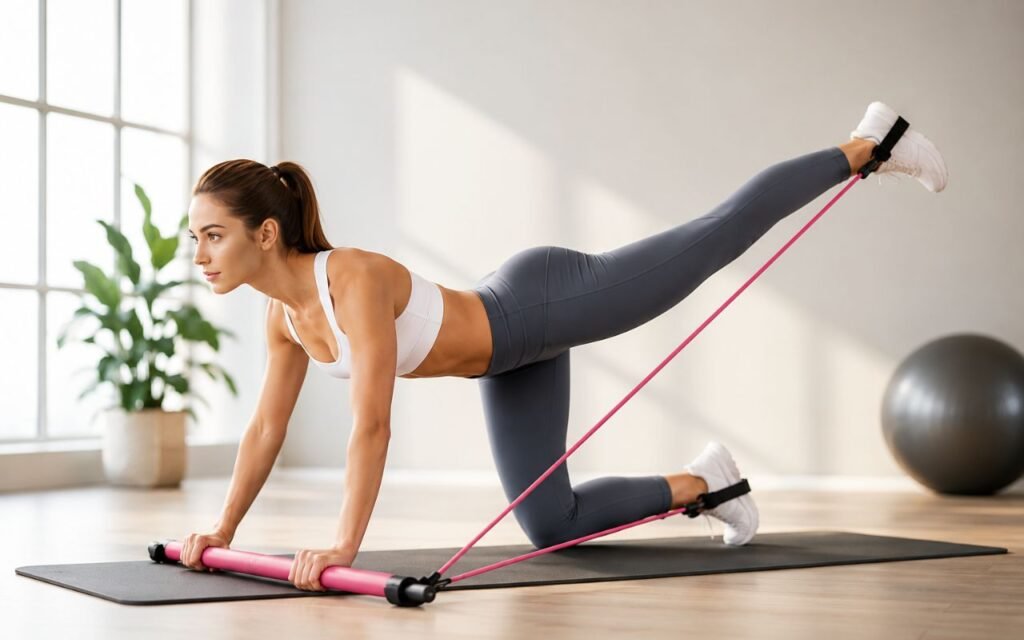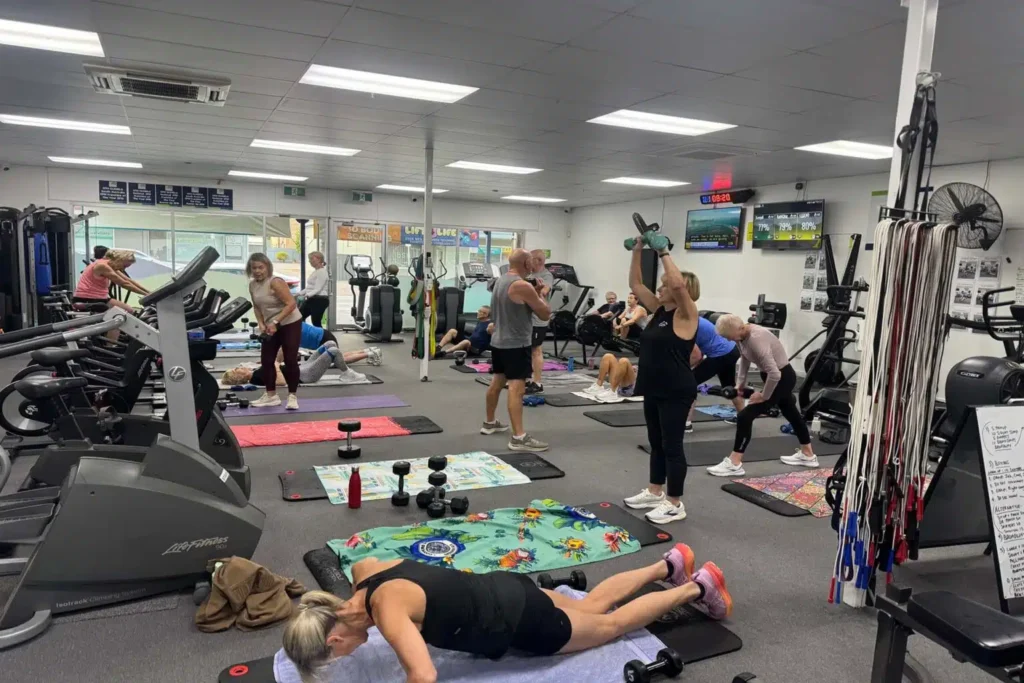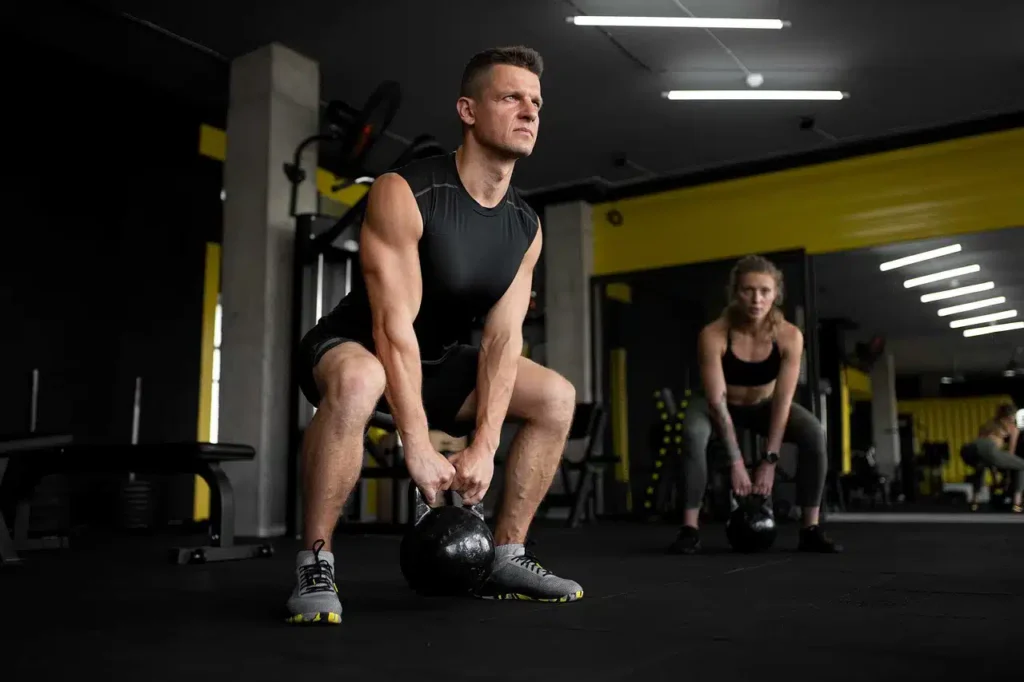
The best pull exercises can help you build a stronger back, healthier shoulders, and more powerful arms. They also support movements you perform every day, such as lifting, carrying, climbing, and pulling objects towards you.
At EFM Glenelg, we include pulling exercises in balanced strength programs for beginners and experienced gym members. However, exercise selection is only part of the process. Good technique, suitable resistance, and steady progression are equally important.
This guide covers eight effective exercises that target the back, shoulders, biceps, forearms, and supporting core muscles. You will also learn how to perform each movement safely and build a practical pull workout.
What Are Pull Exercises
Pull exercises involve drawing resistance towards your body or moving your body towards a fixed object. During these movements, the muscles on the back of your upper body do much of the work.
The main muscles involved include the latissimus dorsi, trapezius, rhomboids, rear deltoids, biceps, and forearms. Your core also works to keep your body stable during many pulling movements.
Pulling exercises can be completed with several types of equipment.
- Cable machines
- Dumbbells
- Barbells
- Resistance bands
- Pull-up bars
- Suspension trainers
- Your own body weight
A balanced program should include both horizontal and vertical pulling movements. Rows are horizontal pulls, while pull-ups and lat pulldowns are vertical pulls. Using both patterns helps develop strength across different angles.
Why Upper-Body Pull Exercises Matter
Strong pulling muscles support posture, shoulder control, grip strength, and upper-body performance. They can also balance pressing movements such as push-ups, bench presses, and overhead presses.
Many daily activities involve pulling or carrying. Opening a heavy door, lifting shopping bags, moving furniture, and holding a child all require back, arm, and grip strength.
According to Healthdirect Australia, adults should complete muscle-strengthening activities at least two times each week. The right training frequency depends on your experience, goals, recovery, and overall program.
Resistance training may also support bone health, joint function, balance, and long-term mobility. The Better Health Channel provides further information about the wider health benefits of strength training.
1. Lat Pulldown
The lat pulldown is one of the most accessible vertical pulling exercises. It mainly targets the latissimus dorsi, which are the large muscles running down each side of your back. Your biceps and upper-back muscles also assist.
Sit securely at the machine with your thighs under the support pads. Hold the bar slightly wider than shoulder width. Keep your chest lifted and draw your shoulders down before pulling the bar towards your upper chest.
Return the bar slowly until your arms are extended. Avoid leaning too far backwards or using momentum to move the weight.
Beginners can start with two or three sets of 8 to 12 repetitions. Choose a resistance that allows you to control the full movement without losing your posture.
2. Seated Cable Row
The seated cable row is a horizontal pulling exercise that targets the middle back, lats, rear shoulders, and biceps. It is useful for building strength while learning how to control the shoulder blades.
Sit upright with your knees slightly bent. Hold the handle with both hands and keep your spine in a neutral position. Pull the handle towards your lower ribs while drawing your shoulder blades gently together.
Pause briefly before returning the handle with control. Your torso should remain steady throughout the exercise.
Avoid rounding your back or leaning backwards to create momentum. If you cannot finish the movement without changing your posture, reduce the resistance.
3. Assisted Pull-Up
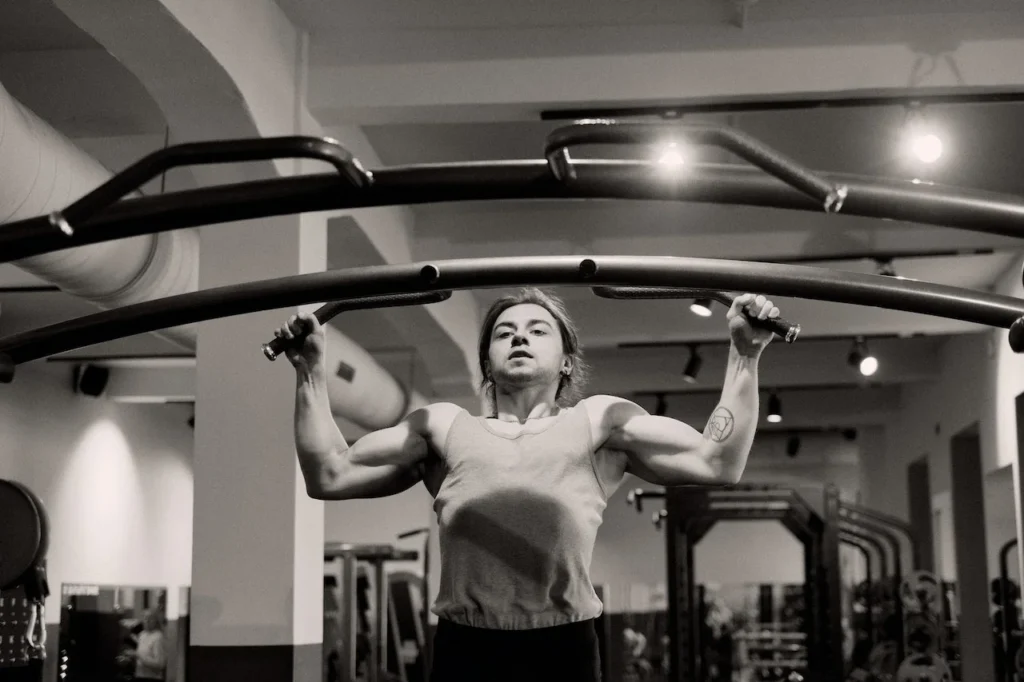
Pull-ups develop the lats, upper back, biceps, forearms, and grip. They are effective, but a full bodyweight pull-up can be difficult for beginners.
An assisted pull-up machine or resistance band allows you to practise the same movement with less bodyweight. Begin with your hands slightly wider than shoulder width. Set your shoulders down and pull your chest towards the bar.
Lower yourself slowly until your arms are almost straight. Avoid swinging your legs or pushing your chin forwards to reach the top.
Start with three sets of 5 to 8 controlled repetitions. Reduce the assistance gradually as your strength improves. Progress can take several weeks or months, so focus on technique rather than rushing towards an unassisted repetition.
4. One-Arm Dumbbell Row
The one-arm dumbbell row lets you train each side separately. This can help identify differences in strength and control between your left and right sides.
Place one hand on a bench and keep both feet stable. Hold the dumbbell in your free hand with your arm extended. Keep your back steady as you pull the dumbbell towards your hip.
Your elbow should travel close to your body. Lower the weight slowly without allowing your shoulder to drop or your torso to rotate.
Complete 8 to 12 repetitions on one side before changing arms. Begin with a manageable weight and focus on a smooth movement through a comfortable range.
5. Bent-Over Barbell Row
The bent-over barbell row is a compound exercise for the lats, middle back, rear shoulders, biceps, and core. It requires more control than a supported row, so it may not be the best starting point for every beginner.
Stand with your feet about hip width apart. Hold the bar with your hands slightly wider than shoulder width. Push your hips backwards while keeping your spine neutral and your knees softly bent.
Pull the bar towards your lower ribs. Keep your torso steady and lower the bar under control. Avoid standing upright between repetitions or pulling the weight with sudden movement.
Try two or three sets of 6 to 10 repetitions. If maintaining the bent-over position is difficult, use a seated cable row or chest-supported row until your technique improves.
6. Face Pull
Face pulls strengthen the rear shoulders and upper-back muscles. They can be a useful addition to programs that include regular bench presses, push-ups, or other pressing exercises.
Attach a rope handle to a cable machine at about face height. Hold one end of the rope in each hand and step backwards until the cable is under light tension.
Pull the rope towards your face while guiding your hands apart. Keep your shoulders down and avoid arching your lower back. Return to the starting position slowly.
Use a light to moderate resistance for 10 to 15 repetitions. The goal is controlled shoulder movement, not lifting the heaviest possible weight.
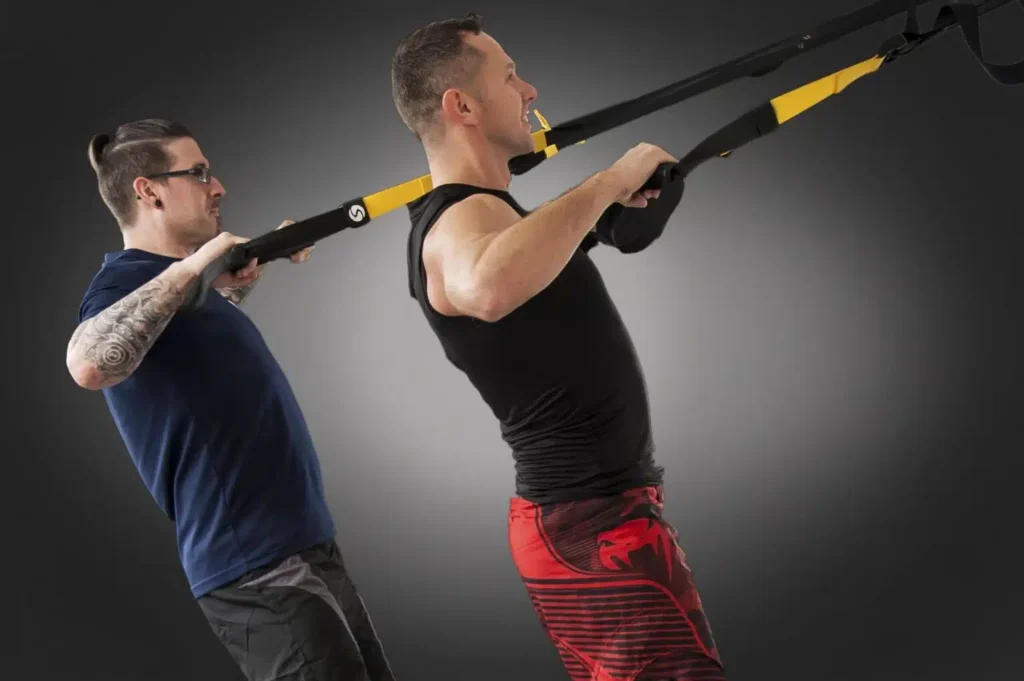
7. Inverted Row
The inverted row is a bodyweight exercise that builds the back, arms, grip, and core. It can be adjusted for different fitness levels by changing the angle of your body.
Set a secure bar at a suitable height. Hold it with both hands and position your body underneath. Keep your body in a straight line from your shoulders to your heels.
Pull your chest towards the bar while keeping your hips lifted. Lower yourself slowly until your arms are extended.
A more upright body position makes the exercise easier. Moving your feet farther forwards and bringing your body closer to the floor makes it harder.
Aim for two or three sets of 6 to 12 repetitions. Stop the set if your hips begin to drop or you can no longer control the movement.
8. Resistance Band Row
The resistance band row is a simple pulling exercise that can be completed at the gym, at home, or while travelling. It is suitable for beginners and can also work well during a warm-up.
Secure the band to a stable anchor at about chest height. Hold one end in each hand and step backwards until you feel light tension.
Keep your chest lifted and pull your hands towards your ribs. Draw your shoulder blades together without raising your shoulders. Return your arms slowly and maintain tension in the band.
Complete 10 to 15 repetitions. A stronger band will increase the challenge, but you should still be able to complete every repetition with control.
How to Build a Pull Workout
A pull workout does not need to contain every exercise in this guide. For most people, three or four well-chosen movements can provide an effective session.
A simple workout may include the following exercises.
- Lat pulldown for three sets of 8 to 12 repetitions
- Seated cable row for three sets of 8 to 12 repetitions
- One-arm dumbbell row for two sets of 10 repetitions per side
- Face pull for two sets of 12 to 15 repetitions
Rest for approximately 60 to 120 seconds between sets. Longer rest periods may be helpful when using heavier resistance or completing demanding compound movements.
Beginners may start with two strength sessions per week. Allow enough recovery time between sessions that train the same muscles. More experienced members can adjust their training volume based on their goals and overall weekly program.
How to Choose the Right Resistance
The right resistance should feel challenging while still allowing you to maintain good technique. You should not need to swing, twist, or shorten the movement to complete a repetition.
As a general guide, finish each set feeling that you could complete another two or three repetitions with good form. This leaves room for safe progression without making every set an all-out effort.
Increase the resistance only when you can complete the planned repetitions comfortably and consistently. A small increase is usually enough. Adding too much weight too quickly often reduces movement quality.
You can also progress by adding one repetition, improving your range of motion, slowing the lowering phase, or completing the same work with better control.
Common Pull Exercise Mistakes
Even the best pull exercises become less effective when technique begins to break down. Understanding common mistakes can help you train more safely.
Using Too Much Weight
Excessive resistance often leads to swinging, shortened movements, and poor posture. Reduce the weight if you cannot control both the pulling and lowering phases.
Raising the Shoulders
Your shoulders should not remain shrugged towards your ears. Think about keeping them down while pulling your elbows towards your body.
Moving Too Quickly
Fast repetitions can hide weak positions and reduce muscular control. Use a steady pace and avoid letting the resistance pull you back suddenly.
Ignoring the Lowering Phase
Returning to the starting position is part of every repetition. Lower the weight under control rather than allowing it to drop or snap back.
Training Through Sharp Pain
Muscular effort is expected during strength training, but sharp or sudden pain should not be ignored. Stop the exercise and seek advice from a suitable health or exercise professional.
How to Improve Your Pulling Strength
Consistency is more important than changing exercises every week. Keep a few core pulling movements in your program long enough to improve your technique and track your progress.
Record the weight, repetitions, and sets completed during each workout. Small improvements over 8 to 12 weeks can build meaningful strength.
It is also important to train the rest of your body. A balanced program should include pushing, squatting, hinging, carrying, cardiovascular exercise, and mobility work where appropriate.
Sleep, nutrition, stress, and recovery can also affect your performance. If progress slows, adding more exercises is not always the answer. You may need better recovery or a more suitable training plan.
Should Beginners Get Help With Pull Exercises
Beginners can benefit from professional guidance when learning new movements. A trainer can help you select suitable exercises, adjust equipment, choose an appropriate resistance, and correct your technique.
Guidance can be especially valuable if you are returning after a long break, managing an injury, or unsure how to structure your workouts.
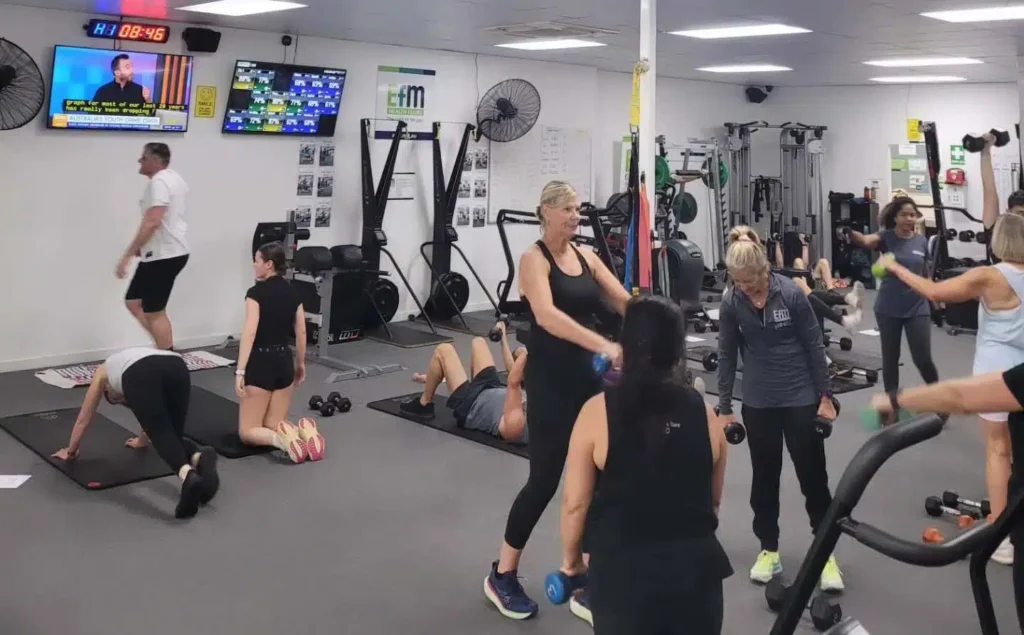
At EFM Glenelg, we adapt exercises to each member’s fitness level and movement ability. The aim is to make training challenging enough to support progress without making it confusing or overwhelming.
If you have a medical condition, ongoing pain, or a recent injury, speak with your doctor or another qualified health professional before beginning a new exercise program.
Related Training Guides and Services
Building strength becomes easier when you follow a clear plan and understand how different movements work together.
Read our guide to an upper-body workout for more exercise ideas and practical programming advice.
You can also learn how our personal training in Glenelg provides structured coaching based on individual goals.
If you enjoy training with other people, explore our group personal training in Glenelg and discover how professional coaching and group support can fit into your weekly routine.
Read these related pages before planning your next workout so you can choose the right level of support and build a more balanced program.
Frequently Asked Questions
What are the best pull exercises for beginners
Lat pulldowns, seated cable rows, resistance band rows, and supported dumbbell rows are good starting options. They allow beginners to adjust the resistance and practise controlled movement before progressing to more demanding exercises.
How many pull exercises should I do in one workout
Three or four pulling exercises are enough for many general strength workouts. Choose a mix of vertical and horizontal movements rather than completing several exercises that train the same pattern.
How often should I train my back
Many people can train their back two times per week as part of a balanced strength program. Your ideal frequency will depend on your training experience, total volume, recovery, and goals.
Are pull-ups suitable for beginners
Beginners can start with assisted pull-ups, band-assisted pull-ups, or lat pulldowns. These options develop the muscles and movement control required for an unassisted pull-up.
Can pull exercises improve posture
Pull exercises strengthen muscles that support the shoulders and upper back. They may contribute to better posture, but posture is also influenced by mobility, daily habits, working positions, and individual anatomy.
Should I feel pull exercises in my arms or back
You may feel both areas working. The back muscles should perform much of the movement, while the biceps and forearms assist. Reducing the weight and improving shoulder-blade control may help if you feel the exercise only in your arms.
Final Thoughts
Pull exercises are an important part of a balanced strength program. They train the back, shoulders, arms, grip, and core while supporting many everyday movements.
Start with exercises that match your current ability. Focus on steady technique, use a manageable resistance, and track your progress over time. You do not need to perform every exercise in one session to achieve results.
If you are unsure where to begin, professional guidance can help you train with more confidence. Contact EFM Glenelg to discuss your goals and learn how a structured program can help you build strength safely.