nclude a breathable T-shirt, athletic shorts or leggings, supportive underwear, socks and athletic shoes. Bring a water bottle and a small towel if your gym requires one.
The biggest priority is being able to move comfortably.
We often see beginners worry about whether they will look like they belong in the gym. In reality, most people are concentrating on their own workout.
You also do not need specialised lifting shoes, compression clothing, gloves or other accessories when you are just getting started.
Learn how you like to train first. Once you know which activities you enjoy and perform regularly, you can decide whether more specialised clothing or footwear would genuinely improve your training experience.
What Shoes Should You Wear to the Gym?
Shoes are one area where your workout type can make a meaningful difference.
If running is the main part of your training, a suitable running shoe can provide cushioning and support designed for repetitive running movements. If you mainly lift weights, a stable shoe may provide a firmer base for exercises such as squats and deadlifts.
For mixed gym sessions involving machines, resistance exercises and short cardiovascular intervals, cross-training shoes can be a practical middle ground.
There is no single best gym shoe for everyone.
Your foot shape, training style and comfort also matter. If you have ongoing foot or lower-limb problems, individual advice from an appropriately qualified health professional may be more useful than simply buying a shoe because someone recommended it online.
Whatever you choose, make sure the shoe fits properly and is appropriate for indoor exercise.
Replace footwear when it becomes excessively worn, damaged or no longer provides the comfort and stability you expect.
What to Wear for Strength Training
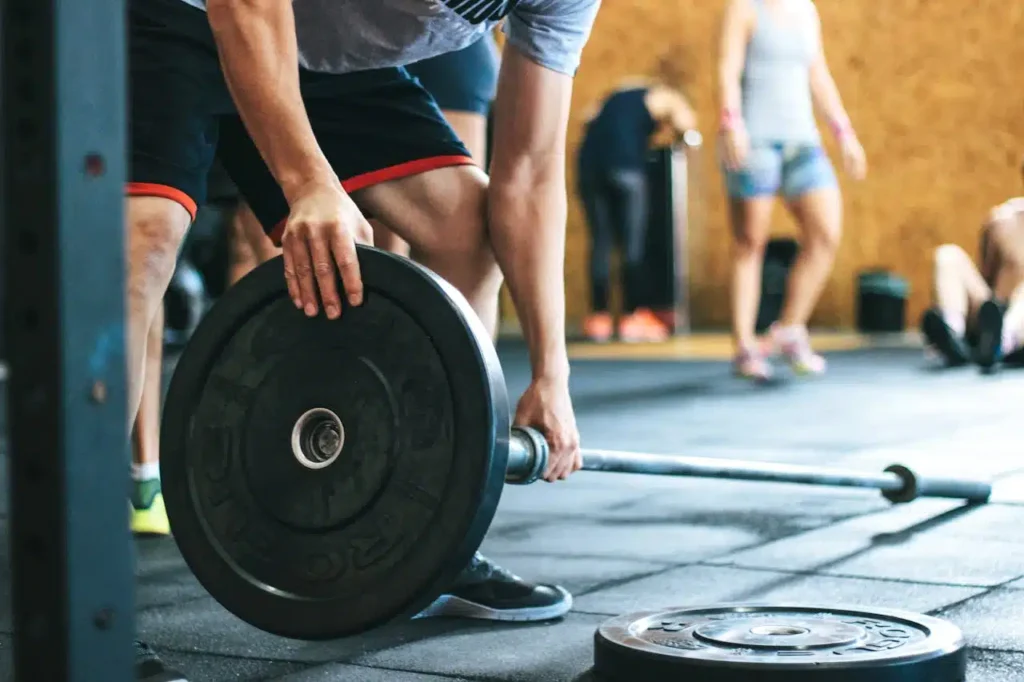
Strength training requires clothing that gives you enough freedom to move through exercises such as squats, presses, rows and deadlifts.
You do not necessarily need compression clothing.
A comfortable shirt and shorts or leggings can work perfectly well as long as they allow unrestricted movement. Slightly closer-fitting clothing can sometimes make it easier for a trainer to observe your positioning during exercises.
Footwear deserves more attention.
Highly cushioned running shoes can feel less stable during some heavy resistance exercises because the soft sole compresses under load. Many lifters therefore prefer flatter, more stable footwear.
Specialised weightlifting shoes can be useful for certain lifters and exercises, but they are not essential for the average beginner.
At EFM Glenelg, we would rather see someone wearing basic clothing and concentrating on good exercise technique than worrying about having the perfect gym outfit.
Your clothing should help you train comfortably. It cannot replace a well-designed program, appropriate resistance and consistent technique.
What to Wear for Cardio Workouts
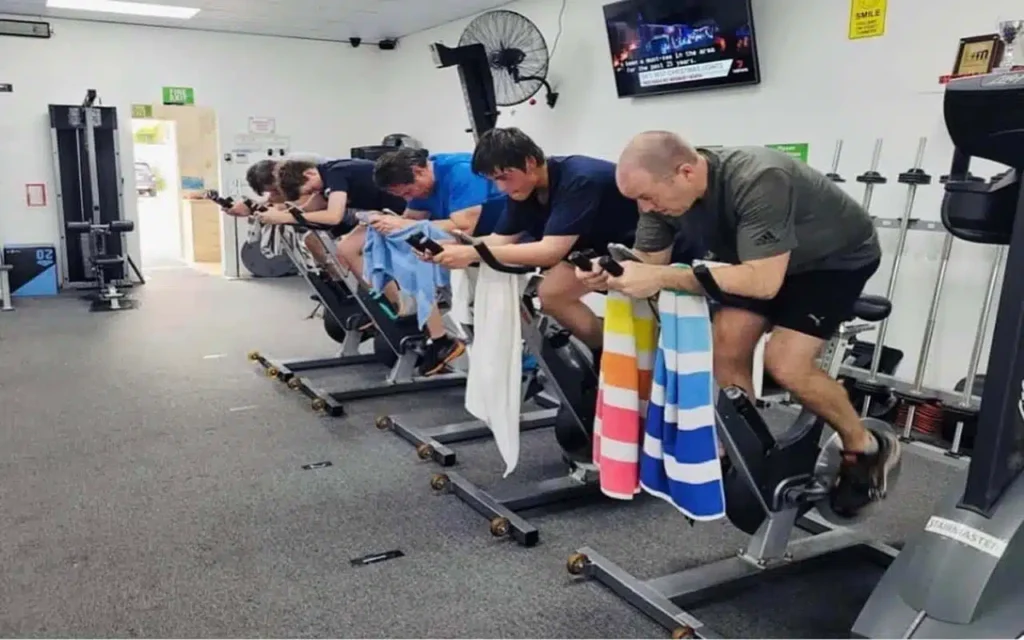
Cardiovascular exercise often creates more sustained heat and sweating than lower-intensity resistance training, so breathable and lightweight clothing can be particularly useful.
For treadmill running, cycling or higher-intensity cardio, choose clothing that does not become excessively heavy or uncomfortable when wet.
Moisture-managing synthetic fabrics are popular for this reason.
Your clothing should also stay securely in place during repetitive movement. Shorts that continually ride up or tops that require constant adjustment can quickly become distracting.
Running shoes are generally appropriate when treadmill running makes up a significant part of your workout. For stationary cycling or elliptical training, your footwear requirements may be less specialised.
Remember that sweating more does not necessarily mean you had a more effective workout.
Heavy clothing designed simply to make you sweat more can increase discomfort without improving the quality of your training. Dress for temperature regulation and movement rather than trying to measure workout effectiveness by how soaked your clothes become.
What to Wear for Group Fitness Classes
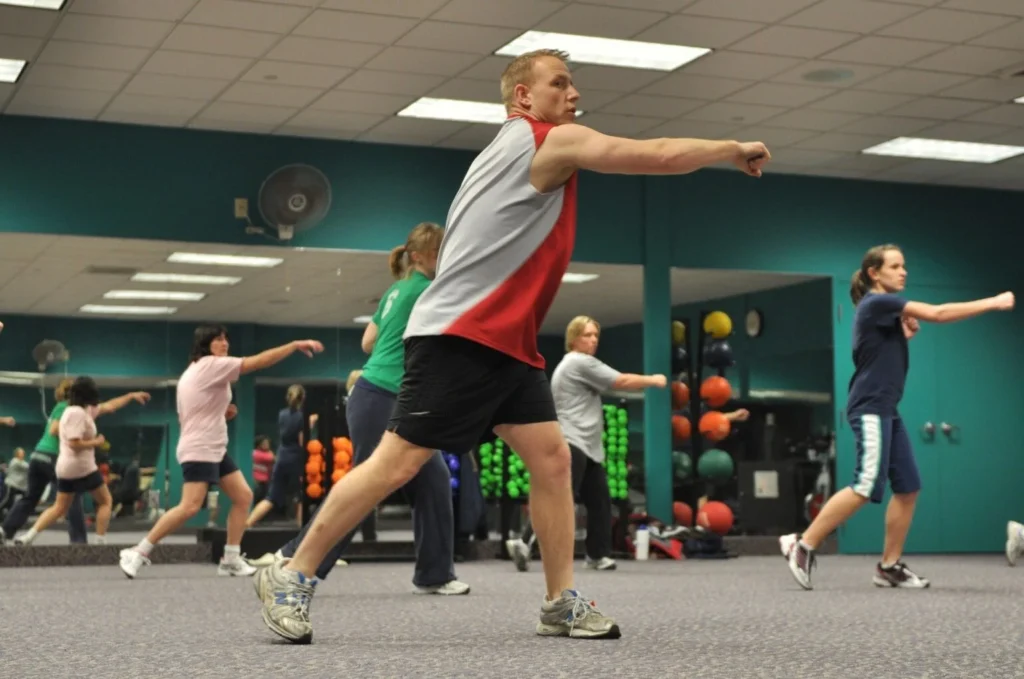
Group training can include resistance exercises, cardiovascular work, bodyweight movements and mobility within the same session. Your clothes therefore need to handle several movement patterns comfortably.
Flexible shorts, leggings or training pants paired with a breathable top usually work well.
Choose footwear that suits the class. A general cross-training shoe may be appropriate when sessions involve lateral movement, resistance exercises and short cardiovascular intervals.
For Pilates or other specialised classes, footwear requirements may be different.
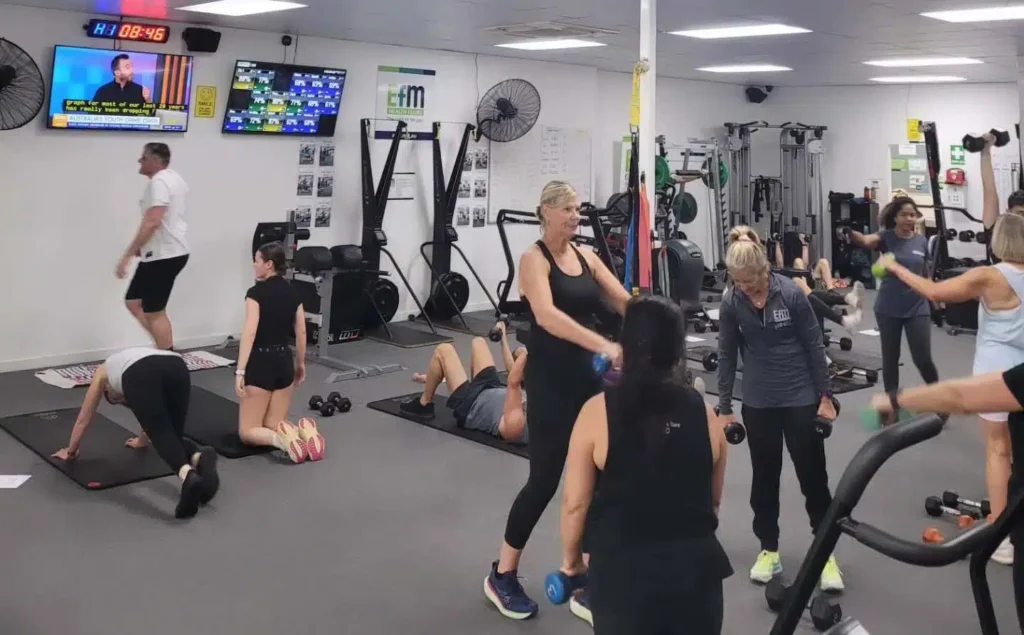
At EFM Glenelg, our group training environment includes members with different experience and fitness levels. We encourage people to arrive in clothing that makes them comfortable enough to focus on their workout rather than what everyone else is wearing.
If you are trying a new session, ask the trainer whether there are specific clothing or footwear recommendations.
You can also explore our group personal training options to understand more about structured training at EFM Glenelg.
Do You Need Compression Clothing?
Compression tights, shorts and tops are common in gyms, but you do not need them simply because you exercise.
Research into compression garments has produced mixed results depending on the activity and outcome being measured. Some evidence suggests they may have modest benefits for certain aspects of exercise recovery, but they should not be treated as a shortcut to improved fitness or muscle growth.
For many gym members, the biggest advantage is simply comfort.
Some people enjoy the close fit and support, while others find compression clothing restrictive. Either preference is fine.
If you like wearing it and it allows you to exercise comfortably, there is nothing wrong with including it in your gym wardrobe.
If you do not like it, regular training clothes can work equally well for most recreational exercise.
Spend your energy on the things that make the biggest difference to results, including regular training, progressive exercise, adequate nutrition and recovery.
What Should You Avoid Wearing to the Gym?
Most gym clothing decisions come down to comfort and safety, but there are a few things worth avoiding.
Clothing that significantly restricts movement can make exercises uncomfortable. Extremely loose garments may also become caught around some machines or equipment.
Footwear that provides poor grip or is unsuitable for exercise can create unnecessary problems.
Before training, consider avoiding:
- Jewellery that may interfere with equipment
- Clothing with loose pieces that could catch on machines
- Shoes with badly worn soles
- Clothing that prevents comfortable movement
- Open footwear for general gym training
- Heavy clothing that causes unnecessary overheating
- Strong fragrances that may affect people training nearby
Your gym may also have its own dress and footwear requirements, so check those before your first visit.
The objective is simple. Wear something that lets you exercise safely and comfortably without creating distractions for yourself or other members.
Should Gym Clothes Be Tight or Loose?
There is no rule requiring gym clothes to be tight.
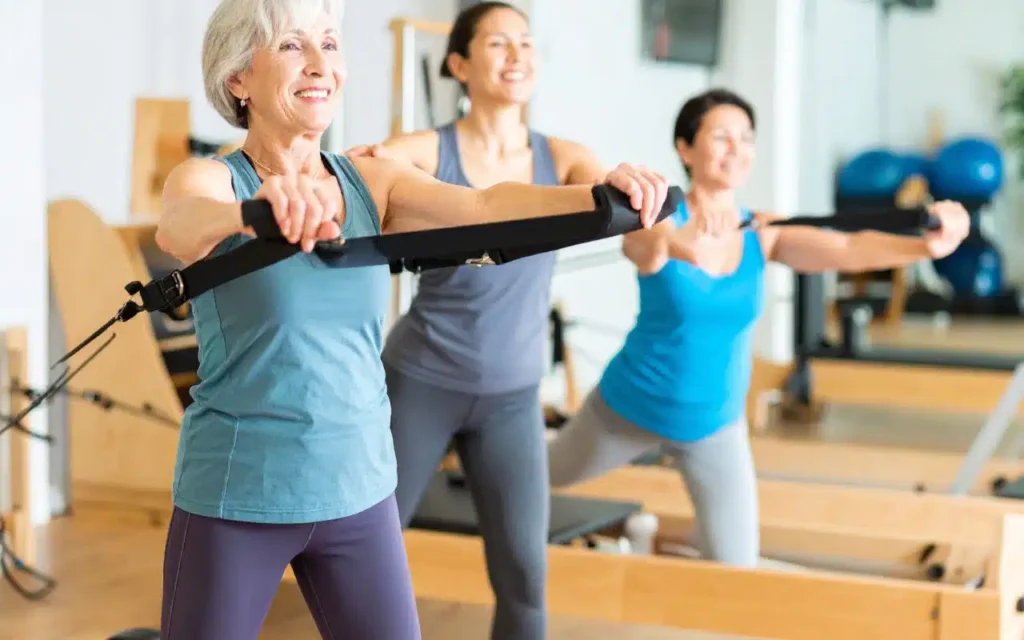
The ideal fit depends on the exercise and what makes you comfortable. For yoga, Pilates or exercises involving significant movement, fitted clothing can stay out of the way and make body positioning easier to see.
For general gym training, slightly looser clothing can work equally well.
Problems usually occur at the extremes.
Very restrictive clothing may limit comfortable movement, while excessively loose clothing can become distracting or interfere with equipment.
Try performing the movements you expect to do before choosing an outfit. Squat down, lift your arms overhead and take a few large steps.
Nothing should pull uncomfortably or require constant adjustment.
At EFM Glenelg, we are much more interested in whether you can move effectively than whether your outfit follows current fitness fashion.
Choose the fit that allows you to concentrate on your training.
What Should You Bring to the Gym?
Once you have chosen your clothing, you only need a few basic items for most workouts.
A reusable water bottle is useful for staying hydrated, particularly during longer or higher-intensity sessions. Some gyms also require members to carry a towel for equipment.
You might also bring headphones if you train independently, although they are optional.
A simple gym bag may contain:
- Water bottle
- Small workout towel
- Change of clothes if needed
- Clean socks
- Deodorant
- Headphones
- Any personal training equipment you regularly use
You do not need to carry every fitness accessory you see online.
Lifting straps, belts and other equipment have specific uses, but beginners generally do not need to purchase everything immediately.
If you are unsure what is required at your gym, ask before your first session. Keeping your bag simple makes getting ready to exercise much easier.
Does Expensive Gym Clothing Improve Your Workout?
Expensive activewear is not necessary for getting stronger, improving cardiovascular fitness or becoming more active.
Higher-priced clothing may offer features you appreciate, such as particular fabrics, construction, pockets or durability. However, the price tag itself does not improve your workout.
A basic T-shirt and comfortable shorts can be completely appropriate.
We encourage members to spend according to their priorities rather than feeling that they need premium clothing to belong in a fitness environment.
The same applies to trends.
Fitness clothing changes constantly, but the fundamental requirements remain fairly simple. You need enough freedom of movement, suitable temperature management and appropriate support for your chosen activity.
If an affordable piece of clothing provides those things, it is doing its job.
Your progress will come from the work you perform while wearing the clothes, not the logo printed on them.
What to Wear to EFM Glenelg
If you are visiting EFM Glenelg for the first time, keep your outfit simple.
Wear comfortable activewear that allows you to move freely and closed athletic shoes suitable for the type of training you plan to complete.
If you are attending a structured session, your trainer can help you understand whether any particular equipment or clothing would make future workouts more comfortable.
You can also check our guide to the EFM Glenelg gym timetable when planning your visit.
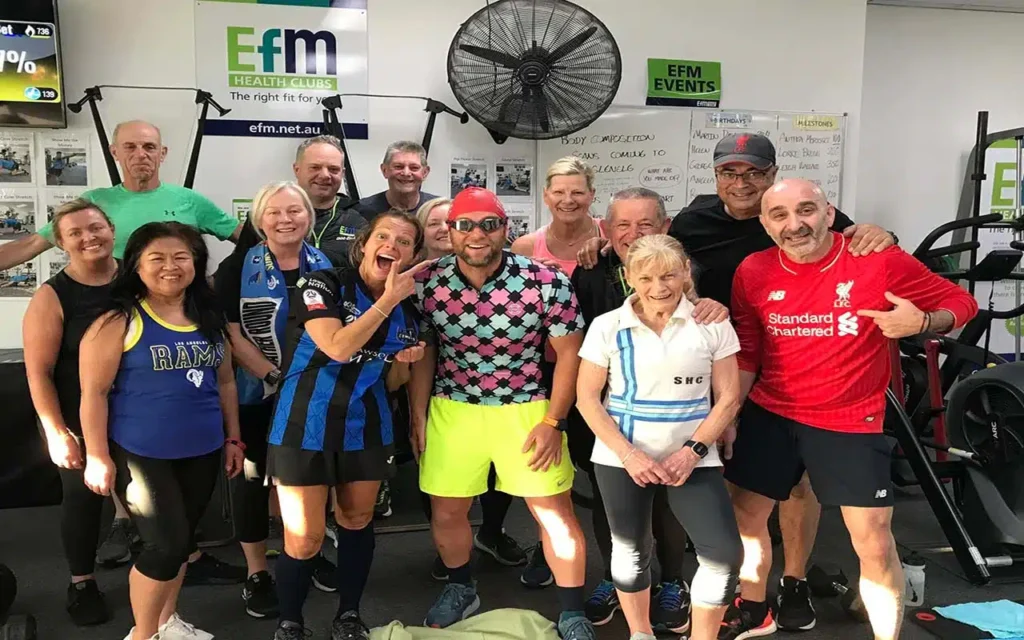
Our members come from different fitness backgrounds, and there is no expectation that you arrive wearing a particular brand or style.
We have been part of the Glenelg community for more than 15 years, and our focus remains on helping people exercise consistently and confidently.
Comfortable clothes, appropriate shoes and a willingness to get started are more than enough for your first workout.
Final Thoughts
Knowing what to wear to the gym does not need to be complicated. Choose breathable clothing that allows you to move comfortably, then select footwear that suits the type of exercise you plan to perform.
Women may also want to consider the level of sports bra support required for their chosen activity, particularly for running and higher-impact training.
You do not need expensive activewear, compression gear or specialised accessories to begin exercising.
At EFM Glenelg, we recommend starting with the basics and adjusting your gym wardrobe once you understand how you prefer to train. What works well for someone who runs regularly may be different from what suits a person focused on strength training or group fitness.
Most importantly, do not let clothing become another barrier to getting started.
Wear something comfortable, bring your water bottle and focus on the workout. Consistency will make a much bigger difference to your fitness than having the perfect gym outfit.