Reaching a fitness goal is rarely about finding one perfect exercise. What matters more is having the right program, learning proper technique, staying consistent, and making sensible adjustments as your fitness improves. This is where one-on-one personal training can make a meaningful difference.
At EFM Glenelg, we understand that every person walks into the gym with a different starting point. You might want to become stronger, improve your fitness, manage your weight, build confidence in the gym, or simply create a regular exercise routine that fits your lifestyle.
Working individually with a trainer gives you dedicated coaching based on those needs. Instead of following a generic program, your training can be planned around your goals, current ability, exercise experience, and progress.
For people who value personal attention and structured guidance, individual training can provide a clear path forward.
What Is One-on-One Personal Training?
One-on-one personal training involves working directly with a qualified trainer rather than completing a general workout by yourself or exercising as part of a larger group.
Your trainer can assess your current fitness, discuss your goals, develop an appropriate exercise program, and monitor how you perform each movement. As you improve, exercises, resistance, repetitions, and training volume can be adjusted accordingly.
This personalised approach is one of the biggest differences between individual coaching and simply having access to gym equipment.
A typical session may include mobility work, strength training, cardiovascular exercise, functional movements, or other activities depending on your goals.
The important point is that the session has a purpose.
At EFM Glenelg, we believe good coaching is not about making every workout as difficult as possible. It is about providing an appropriate challenge and helping you make steady, sustainable progress.
Why Choose One-on-One Personal Training?
People often join a gym with plenty of motivation but little idea of what to do once they arrive. With dozens of machines, free weights, exercises, and training methods available, it can be difficult to know where to begin.
Individual training removes much of that uncertainty.
Your trainer can explain what you are doing, why you are doing it, and how each exercise contributes to your wider fitness goals.
This can be particularly useful for beginners. Rather than copying another person’s workout or randomly moving between machines, you have a structured program and professional guidance.
Experienced gym members can benefit as well.
If your progress has slowed, a trainer can review your existing routine, identify areas that may need attention, and introduce an appropriate progression strategy.
The value comes from having your training built around you rather than trying to fit yourself into somebody else’s program.
Benefits of One-on-One Personal Training
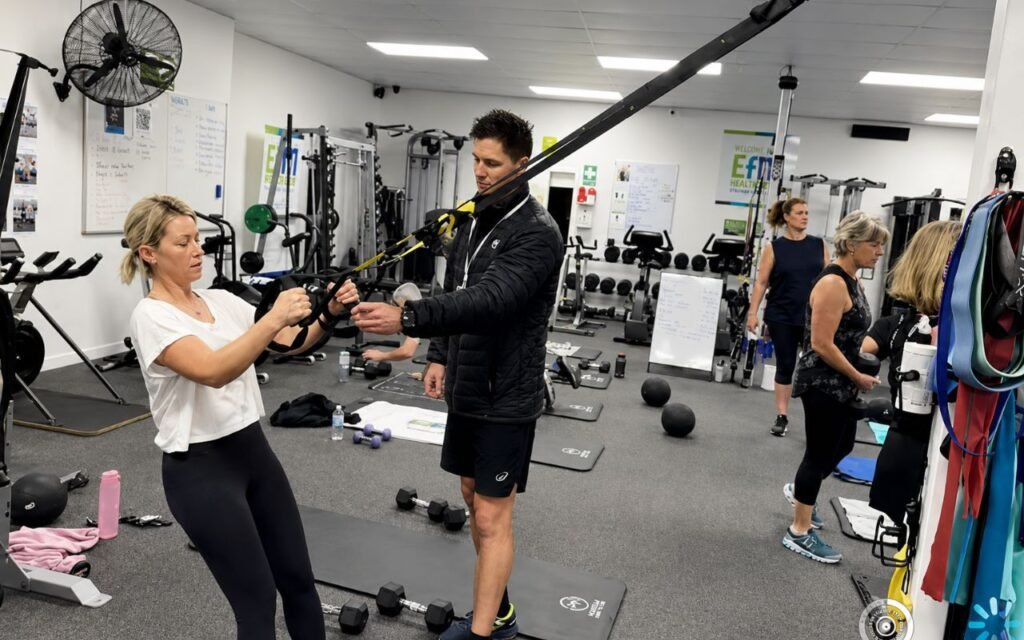
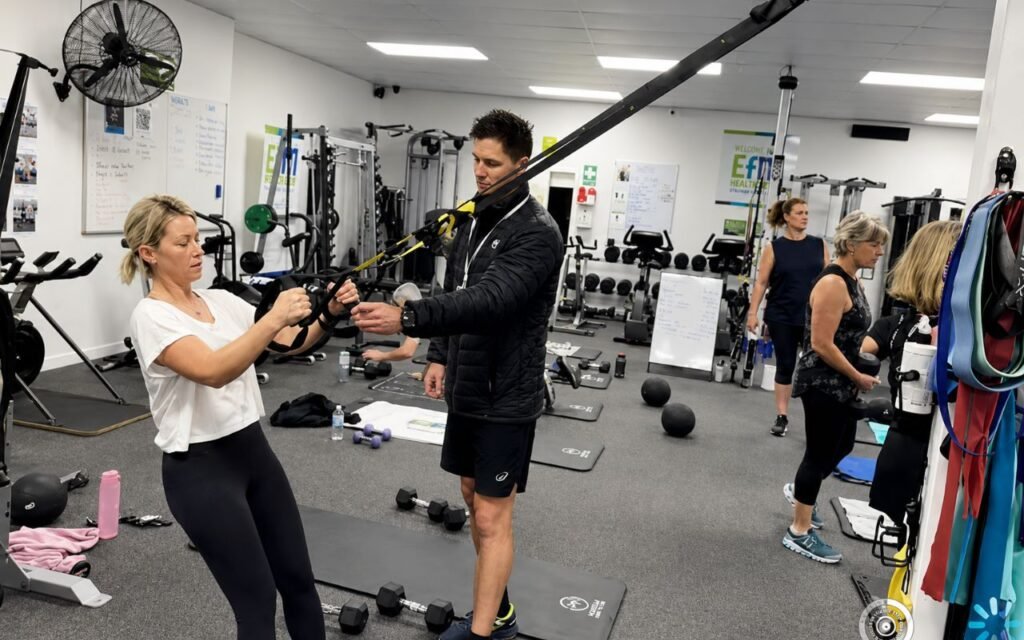
The greatest advantage of personal training is individual attention. Your trainer can watch your movement, provide feedback, and adjust exercises based on what is happening during the session.
That creates opportunities to work more precisely towards your goals.
Some key benefits include:
- A training program based on your individual goals
- Direct feedback on exercise technique
- Regular accountability and encouragement
- Appropriate exercise progressions and modifications
- Structured strength and cardiovascular training
- More confidence when using gym equipment
- Progress that can be reviewed over time
This doesn’t mean every session needs to be intense.
Training should reflect your ability and recovery. Some sessions may involve increasing resistance, while others might focus on technique, movement quality, or building consistency.
A knowledgeable trainer understands that sustainable fitness comes from appropriate progression rather than simply pushing harder every workout.
Personal Training Compared With Training Alone
Both approaches can work. The main difference is the amount of individual guidance available during your training.
| Training Factor | One-on-One Training | Training Alone |
|---|---|---|
| Program design | Personalised | Self-directed |
| Technique feedback | Immediate | Limited |
| Accountability | High | Self-managed |
| Exercise modifications | Trainer guided | Self-selected |
| Progress tracking | Structured | Depends on individual |
| Session structure | Planned | Self-directed |
| Trainer attention | Dedicated | None |
Some experienced gym members are comfortable designing and managing their own programs. Others perform better when they have someone providing structure and accountability.
Neither approach automatically guarantees results.
Consistency, appropriate training, nutrition, recovery, and lifestyle habits still matter. Personal training simply provides professional guidance that can make those factors easier to manage.
Personal Training Can Help Improve Exercise Technique
Good exercise technique is one of the most important parts of resistance training.
When you’re exercising alone, it can be difficult to recognise problems with your own movement. You may not notice that your posture has changed, your range of motion has shortened, or you are using momentum to complete repetitions.
A personal trainer can observe these details from outside your perspective.
They can provide cues and adjust the exercise when necessary. If a particular movement does not suit your current ability, another variation may be more appropriate.
Technique becomes especially important as resistance increases.
Adding weight before developing control can make an exercise unnecessarily difficult and may increase injury risk. A sensible approach is to establish good movement first and then progressively increase the challenge.
This is an area where experienced coaching provides real value, particularly for people who are new to resistance training.
Accountability Can Make Consistency Easier
Knowing what exercises to perform is only part of achieving a fitness goal. You still need to turn up and complete them consistently.
This is where accountability becomes valuable.
Booking a personal training session creates a commitment in your schedule. Instead of deciding whether you feel like exercising that day, you already have a planned appointment and someone expecting you to attend.
A trainer can also track what happens from session to session.
If you completed eight repetitions with a particular weight previously, that information can help guide your next workout. Over time, these small improvements create measurable progress.
We regularly see that consistency matters more than occasional bursts of motivation.
Motivation naturally changes from week to week. A structured routine helps keep your training moving when enthusiasm is lower.
Good personal training therefore provides more than encouragement. It creates a system that makes regular exercise easier to maintain.
Personal Training for Different Fitness Goals
There is no single personal training program that suits everyone because people come to the gym for very different reasons.
Someone interested in building strength may focus on progressive resistance exercises. A person wanting better cardiovascular fitness could combine resistance work with aerobic or interval training. Someone new to exercise may initially need more time learning fundamental movement patterns.
Training can also change as your goals change.
For example, you might initially focus on building confidence and developing a regular exercise habit. Several months later, you may decide you want to improve your squat, increase your strength, or prepare for a particular physical challenge.
A good program should be able to evolve with you.
This is why we take an individual approach at EFM Glenelg. Your program should reflect where you are now while providing a realistic pathway towards where you want to be.
How Often Should You Work With a Personal Trainer?
There is no universal number of personal training sessions that everyone needs.
Frequency depends on your goals, experience, schedule, budget, and how confidently you can exercise independently.
Some people benefit from regular weekly sessions, particularly when learning new exercises or building consistency. Others may train independently between less frequent sessions and use personal training for technique reviews, program updates, and progression.
Your wider weekly activity matters too.
Australian physical activity guidelines recommend adults accumulate 150 to 300 minutes of moderate-intensity physical activity each week, or 75 to 150 minutes of vigorous activity, while including muscle-strengthening activities on at least two days each week.
Personal training can form part of that overall routine, but it does not need to account for every minute of physical activity you complete.
The best schedule is one you can maintain consistently while allowing appropriate recovery between demanding workouts.
What Does One-on-One Personal Training Cost?
Personal training prices in Australia vary considerably. Location, trainer qualifications, session duration, frequency, and the type of facility can all influence what you pay.
Rather than choosing purely according to the lowest hourly rate, consider what you receive from the service.
A good personal training experience should include more than someone standing beside you counting repetitions.
You are paying for program design, exercise knowledge, technique coaching, progress monitoring, accountability, and the trainer’s ability to modify your program when circumstances change.
Packages and session arrangements may also differ between facilities.
If you are considering personal training at EFM Glenelg, you can review our personal training options and contact our team to discuss current availability and pricing.
That allows you to understand exactly what is included before making a decision.
What to Look for in a Personal Trainer
A personal trainer should be someone you feel comfortable communicating with. Qualifications matter, but the ability to listen, explain, adapt, and coach effectively is equally important.
Pay attention to how a trainer approaches your goals.
They should ask questions about your experience, training history, preferences, and what you actually want to accomplish rather than immediately putting you through a generic workout.
A good trainer should also be willing to explain exercises.
You should gradually understand more about your own training instead of feeling permanently dependent on someone else.
Look for a coach who values technique and sensible progression. Exercise should challenge you, but every workout does not need to leave you exhausted.
The trainer-client relationship works best when communication goes both ways. Tell your trainer when something feels wrong, when your goals change, or when you are struggling with a particular part of the program.
Why Train With EFM Glenelg?
EFM Glenelg has been part of the Glenelg community for more than 15 years. During that time, we have worked with people with different backgrounds, fitness levels, and training goals.
Our approach is centred on making exercise supportive, structured, and personal.
We know walking into a gym can feel intimidating when you’re unsure where to start. Having experienced trainers available can make the environment easier to navigate and help you develop confidence with your training.
Our team brings experience across different areas of fitness, including strength and conditioning, group training, rehabilitation-focused exercise, and sporting backgrounds.
That diversity helps us work with a broad range of members.
Most importantly, we want people to feel comfortable asking questions and learning.
Whether you are beginning your fitness journey or looking for more structure in an existing routine, our goal is to help you train with purpose and make progress you can actually maintain.
Final Thoughts
One-on-one personal training gives you something a generic workout plan cannot provide. It gives you individual guidance based on your goals, ability, progress, and training experience.
That can make a significant difference when you’re learning how to exercise, trying to become stronger, improving your fitness, or simply struggling to stay consistent.
The best personal training is not about making you dependent on a trainer. It should help you become more confident, knowledgeable, and capable in your own training.
At EFM Glenelg, we combine personal guidance with a friendly community environment that has supported local members for more than 15 years.
If you’re ready to bring more structure and direction to your workouts, explore our personal training in Glenelg and speak with our team about your fitness goals. A well-designed program and the right coaching can help turn those goals into practical steps you can work towards every week.