
Understanding personal fitness trainer cost in Australia is one of the first steps people take when they are serious about improving their health. From our experience working with hundreds of members at EFM Glenelg, cost is not just about the dollar figure. It is about what you receive in return, how consistent the support is, and whether the training actually delivers results.
Across Australia, personal training prices vary widely depending on location, trainer qualifications, session type, and the level of support included. This guide breaks down real costs, what influences pricing, and how to determine whether you are getting genuine value for your investment.
What Is The Average Personal Fitness Trainer Cost In Australia
The personal fitness trainer cost in Australia typically ranges between $60 and $120 per session. This range reflects a mix of experience levels, session formats, and gym environments.
Based on industry benchmarks and real-world observations, here is a clear overview of average pricing.
| Training Type | Average Cost Per Session | Typical Duration |
|---|---|---|
| One-on-one personal training | $80 to $120 | 45 to 60 minutes |
| Small group personal training | $35 to $60 | 45 to 60 minutes |
| Online personal training | $30 to $70 | Weekly programming |
| Mobile or in-home training | $90 to $130 | 45 to 60 minutes |
These figures are consistent across most metropolitan areas, including Adelaide, Melbourne, and Sydney. Regional areas may see slightly lower pricing due to overhead differences.
Why Personal Fitness Trainer Costs Vary So Much
Not all personal trainers offer the same level of service. Pricing differences usually reflect what happens beyond the workout itself.
Trainer Qualifications And Experience
A newly qualified trainer may charge closer to $60 per session, while a trainer with advanced certifications, sports science education, or years of experience can justify higher fees.
Trainers with backgrounds in elite sport, rehabilitation, or university-level human movement studies often deliver more precise programming and better long-term outcomes.
Training Environment
Where you train plays a major role in cost.
- Commercial gyms often offer lower entry pricing
- Boutique studios charge more due to smaller class sizes and coaching focus
- Mobile trainers include travel and equipment costs
- 24-hour facilities provide added flexibility and access
From a value perspective, studios that combine coaching, equipment access, and structured programming often deliver better results per dollar spent.
Session Structure And Support Level
A session is rarely just a session. High-quality personal training usually includes:
- Program design based on goals and limitations
- Technique correction and progression tracking
- Accountability and consistency planning
- Lifestyle guidance around recovery and movement habits
Lower-cost options often focus only on the workout itself.
One-on-One Training Versus Group Personal Training
Choosing between one-on-one and group personal training has a major impact on personal fitness trainer cost and overall value.
One-on-One Personal Training
One-on-one training offers complete attention and fully personalised programming. It is ideal for:
- Injury recovery
- Beginners needing confidence and technique guidance
- Specific performance goals
However, it also carries the highest ongoing cost.
Group Personal Training
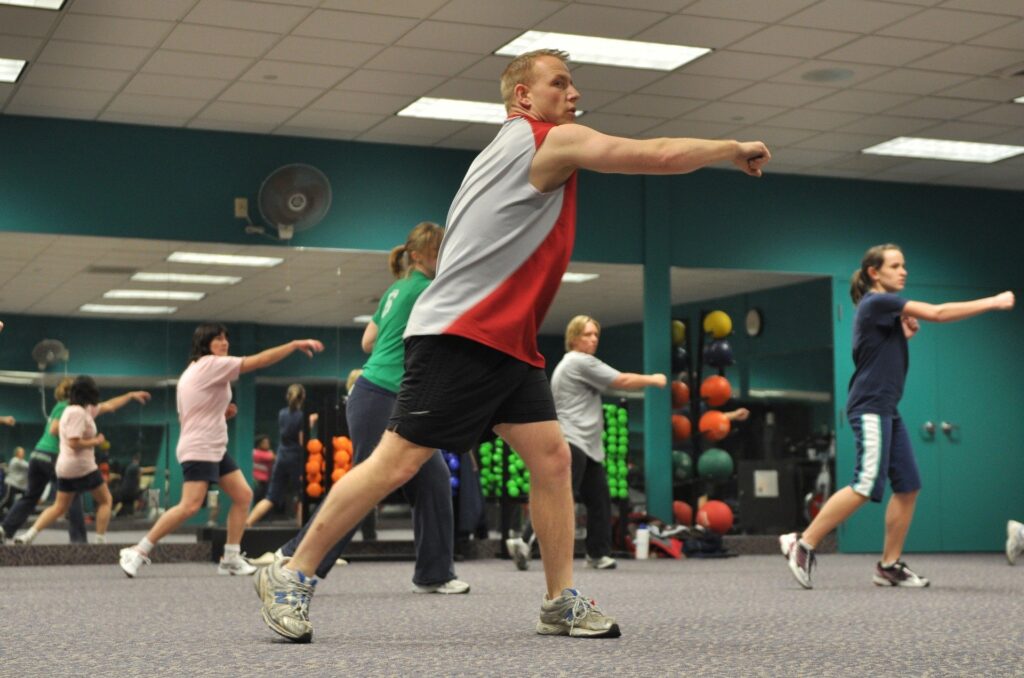
Group personal training blends professional coaching with affordability. Sessions usually involve 4 to 10 people following structured programs under close supervision.
In our experience, group training delivers:
- Up to 50 percent lower cost per session
- High motivation through community
- Consistent coaching and accountability
- Better long-term adherence
For most people, group personal training offers the best balance between cost and results.
How Location Impacts Personal Fitness Trainer Cost
Location plays a measurable role in pricing.
In major cities, personal training costs are higher due to rent, demand, and operating expenses. Average pricing by location typically looks like this.
| Location | Average One-on-One Cost |
|---|---|
| Sydney | $90 to $130 |
| Melbourne | $85 to $120 |
| Brisbane | $75 to $110 |
| Adelaide | $70 to $100 |
| Regional areas | $60 to $90 |
Adelaide remains one of the more affordable capitals while still offering highly qualified trainers and modern facilities.
Are Cheaper Personal Trainers Worth It
Lower pricing is not automatically a red flag, but it requires careful evaluation.
Cheaper training often means:
- Larger class sizes
- Less individual attention
- Generic programming
- Limited progress tracking
In contrast, well-structured programs with consistent coaching deliver better outcomes even at a higher upfront cost.
A useful benchmark is results per month rather than cost per session. Paying slightly more but training consistently often costs less in the long run.
What Should Be Included In The Cost
A professional personal fitness trainer cost should reflect more than just time on the gym floor.
High-quality training typically includes:
- Initial assessment and goal setting
- Structured training plan
- Ongoing technique coaching
- Progress reviews every four to six weeks
- Access to trainers for guidance and adjustments
When comparing options, ask what is included beyond the session itself.
Online Personal Training Cost In Australia
Online personal training has grown significantly and offers lower pricing. Most programs range from $30 to $70 per week.
This option works best for people who:
- Already have gym experience
- Are confident with technique
- Prefer flexible scheduling
However, it lacks real-time correction and hands-on coaching. For beginners, in-person training remains more effective.
How To Choose The Right Personal Trainer For Your Budget
Instead of focusing only on price, assess overall value.
Consider these factors:
- Trainer qualifications and background
- Session structure and coaching style
- Class size and attention level
- Progress tracking and accountability
- Facility access and flexibility
A short trial period is often the best way to determine fit before committing.
Is Personal Training Worth The Cost
For most people, yes. Personal training reduces guesswork, improves technique, and increases consistency. These factors directly impact long-term success.
Studies consistently show that coached training leads to higher adherence rates and better health outcomes compared to self-directed exercise.
The key is choosing a format that aligns with your lifestyle and goals.
Personal Fitness Training At EFM Glenelg
At EFM Glenelg, personal fitness training is designed to deliver structure, accountability, and long-term results without unnecessary complexity. Our approach focuses on coaching quality, consistency, and real-world outcomes rather than quick fixes.
We offer professionally coached group personal training and individualised support within a 24-hour training environment. This allows members to train at times that suit their lifestyle while still receiving expert guidance.
What sets EFM Glenelg apart is the depth of experience within our coaching team. Our trainers come from strong academic and sporting backgrounds, including human movement studies and elite football pathways. This ensures programs are built around safe movement, progressive overload, and measurable improvement.
For many people, EFM Glenelg provides a cost-effective alternative to traditional one-on-one personal training. Members receive structured programming, technique correction, and accountability at a lower ongoing cost, making consistent training more achievable over time.
From beginners building confidence to experienced gym users seeking structure, personal fitness training at EFM Glenelg is built around sustainable progress and a strong community culture.
Final Thoughts On Personal Fitness Trainer Cost In Australia
The personal fitness trainer cost in Australia reflects more than hourly rates. It represents expertise, accountability, and long-term results.
Group personal training often delivers the strongest balance of affordability and effectiveness, while one-on-one training suits specific needs and goals.
Before making a decision, focus on value, structure, and consistency rather than price alone.