
Finding the right approach to weight loss Adelaide residents can genuinely maintain over time is not always simple. Many people start fitness programs with strong motivation, only to struggle with consistency after a few weeks. Quick-fix diets, unrealistic workout plans, and generic advice often lead to frustration rather than long term success.
At EFM Glenelg, we see firsthand how sustainable weight loss comes from building realistic habits, improving movement quality, and creating a training routine that fits everyday life. The most successful results rarely come from extremes. They come from consistency, accountability, and expert guidance.
For many Adelaide locals, the goal is not simply losing weight quickly. It is improving energy, building strength, boosting confidence, and maintaining healthier habits long term.
Why Sustainable Weight Loss Matters
One of the biggest mistakes people make is focusing only on short-term results. Rapid weight loss methods may produce temporary changes, but they are often difficult to maintain.
Research published by the Australian Institute of Health and Welfare shows that long-term lifestyle changes involving exercise, nutrition, and behavioural support are far more effective for maintaining a healthy weight.
Sustainable fitness programs focus on:
- Gradual fat loss
- Strength development
- Improved cardiovascular fitness
- Better daily energy levels
- Long-term habit formation
- Injury prevention
- Consistent accountability
This approach supports healthier body composition without relying on restrictive methods that often fail after a few months.
The Biggest Challenges With Weight Loss
Many people in Adelaide face similar obstacles when trying to improve their health and fitness. Busy work schedules, family commitments, and inconsistent routines can all affect progress.
Some of the most common barriers include:
| Common Challenge | Impact on Progress |
|---|---|
| Lack of consistency | Interrupted progress and motivation |
| Unrealistic dieting | Increased cravings and burnout |
| Training without guidance | Higher injury risk |
| Limited accountability | Difficulty staying committed |
| Poor recovery and sleep | Slower fat loss and energy decline |
These challenges are exactly why structured support and professional coaching can make a major difference.
Why Group Personal Training Works

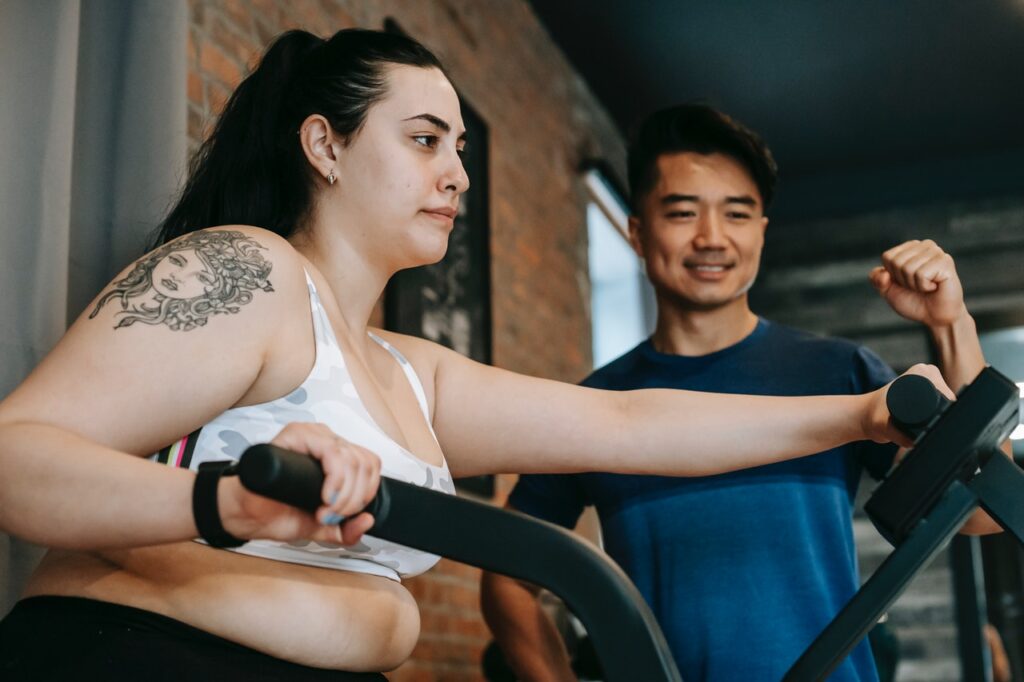
Group personal training has become increasingly popular because it combines professional coaching with community accountability. Unlike traditional gyms where members often train alone, guided sessions provide structure, motivation, and technique support.
At EFM Glenelg, members train in a supportive environment where programs are tailored to different fitness levels and goals.
A study published by Harvard Health Publishing found that people who exercise with accountability and social support are more likely to maintain long-term fitness habits.
Benefits of Group Personal Training
- Structured workouts
- Professional supervision
- Increased motivation
- Better exercise technique
- More enjoyable training environment
- Consistent scheduling
- Greater long-term adherence
Many people who struggle with motivation in commercial gyms find group-based training far more engaging and sustainable.
The Role of Strength Training in Weight Loss
One of the biggest misconceptions about weight loss is that cardio alone delivers the best results. While cardiovascular exercise is important, strength training plays a major role in improving body composition.
Strength training helps:
- Preserve lean muscle mass
- Increase metabolic efficiency
- Improve posture and movement
- Support healthy aging
- Reduce injury risk
- Improve long-term calorie expenditure
This is especially important for adults over 30, as natural muscle mass gradually declines with age.
At EFM Glenelg, strength-focused sessions are designed to suit beginners through to experienced members. Exercises are modified based on mobility, experience, and individual fitness goals.
Nutrition Still Matters
Exercise is important, but nutrition remains one of the biggest drivers of weight management. Many people underestimate how much small daily habits affect long-term progress.
Rather than following restrictive diets, successful weight loss programs often focus on practical improvements such as:
- Increasing protein intake
- Eating more whole foods
- Reducing processed snacks
- Improving meal consistency
- Managing portion sizes
- Staying hydrated
Small sustainable changes are usually easier to maintain than aggressive dieting plans.
Practical Nutrition Habits That Support Weight Loss
| Habit | Long-Term Benefit |
|---|---|
| Higher protein meals | Improved satiety and recovery |
| Regular meal timing | Better energy management |
| Increased water intake | Reduced overeating |
| More vegetables and fibre | Improved digestion |
| Reduced liquid calories | Lower overall calorie intake |
Long-term success usually comes from consistency rather than perfection.
Why Accountability Improves Results

Accountability is one of the most overlooked parts of successful fitness programs. Many people know what they should do but struggle to maintain routines without support.
Regular coaching, scheduled sessions, and community encouragement can significantly improve adherence.
At EFM Glenelg, trainers work closely with members to help them stay consistent during busy periods, setbacks, and motivation drops. This ongoing support helps people maintain momentum even when life becomes challenging.
From experience, many members notice that accountability becomes even more valuable after the first few months when initial motivation naturally starts to fade.
How Long Does Healthy Weight Loss Take?
Healthy weight loss is rarely instant. In most cases, gradual progress is more realistic and sustainable.
According to health experts, a safe rate of fat loss is typically around:
0.5 to 1 kg per week
Results vary depending on:
- Starting fitness level
- Nutrition habits
- Training consistency
- Sleep quality
- Stress levels
- Medical conditions
It is important to focus on overall health improvements rather than only the number on the scale.
Many people also experience:
- Increased strength
- Better energy
- Improved sleep
- Higher confidence
- Reduced stress
before significant visual changes appear.
The Importance of Recovery
Recovery is often ignored during weight loss journeys. However, poor recovery can reduce workout quality, increase cravings, and negatively affect motivation.
Key recovery factors include:
- Quality sleep
- Proper hydration
- Mobility work
- Balanced nutrition
- Rest days
- Stress management
Sleep is especially important. Studies show that insufficient sleep may negatively affect hunger hormones and appetite regulation.
People who consistently sleep less than seven hours per night often find fat loss more difficult.
Choosing the Right Gym Environment

The training environment can strongly influence long-term consistency. Some people feel intimidated in large commercial gyms or struggle without guidance.
A supportive training environment should provide:
- Friendly coaching
- Structured programs
- Clear progression
- Inclusive atmosphere
- Flexible scheduling
- Realistic fitness expectations
At EFM Glenelg, the focus is on creating a welcoming community where members of different ages and fitness levels feel comfortable training consistently.
This community-driven atmosphere often helps people maintain healthier routines for years rather than weeks.
Realistic Expectations Create Better Outcomes
One reason many people quit fitness programs is unrealistic expectations. Social media often promotes dramatic transformations that are difficult to sustain in real life.
In reality, sustainable fitness improvements usually happen gradually through:
- Consistent exercise
- Better nutrition habits
- Improved daily movement
- Long-term commitment
- Ongoing coaching support
This process may feel slower, but it often leads to better long-term outcomes and healthier relationships with exercise.
Real-World Observation From Trainers
Many trainers notice that members who focus only on fast results are more likely to lose motivation. In contrast, people who focus on routine, consistency, and gradual progress often achieve better long-term success.
This shift in mindset can completely change how people approach fitness.
Weight Loss and Mental Wellbeing
Exercise supports more than physical health. Regular movement is strongly linked to improved mental wellbeing, stress management, and confidence.
Many people initially join a fitness program to lose weight but continue training because they enjoy:
- Better mood
- Increased energy
- Improved social connection
- Reduced stress
- Better sleep quality
This is one reason why enjoyable and supportive training environments tend to produce stronger long-term adherence.
Building a Long-Term Fitness Lifestyle
Successful weight loss is rarely about temporary motivation. It is about building routines that fit daily life.
Some of the most effective long-term habits include:
- Training consistently each week
- Preparing meals in advance
- Staying active outside the gym
- Setting realistic goals
- Tracking progress gradually
- Prioritising recovery
- Seeking professional guidance
These habits create a more balanced and sustainable approach to health and fitness.
Why Local Support Matters

Choosing a local fitness community can improve consistency because convenience plays a major role in habit formation.
For Adelaide residents, having access to experienced trainers, structured group sessions, and a welcoming environment can remove many common barriers to exercise.
EFM Glenelg has supported the local community for more than 15 years, helping members improve strength, fitness, mobility, confidence, and overall wellbeing through guided group personal training.
Frequently Asked Questions
How often should I train for weight loss?
Is strength training better than cardio for fat loss?
How quickly will I see results?
Do beginners need personal training?
Final Thoughts
Sustainable weight loss requires more than temporary motivation or restrictive dieting. Long-term results usually come from structured exercise, realistic nutrition habits, accountability, and supportive coaching.
For people searching for practical and sustainable weight loss Adelaide solutions, focusing on consistency and long-term health often produces the best outcomes.
At EFM Glenelg, the goal is not simply short-term transformation. It is helping people build stronger habits, better fitness, and healthier lifestyles that can be maintained for years to come.