When you first join a gym, it is easy to think you need to train every day. So, how often should beginners go to the gym? For many people, two or three planned sessions each week is a useful starting point. The right number depends on your health, goals, previous activity and how well you recover.
At EFM Glenelg, we see that people make better use of their membership when training fits their real lives. A schedule you can follow for months is more useful than an ambitious week you cannot repeat.
How Often Should Beginners Go to the Gym Each Week?
Start with two gym visits a week if you have not exercised regularly for some time. This gives you a chance to learn basic movements, get used to the space and see how your body feels afterwards. You can build each session around a few simple strength exercises and some comfortable cardio.
If you already walk, cycle or play sport regularly, three gym sessions may fit well from the start. You still need time between demanding workouts, especially when you are new to resistance training.
Australia’s current movement guidelines encourage adults to be active on most days and do muscle strengthening activities on at least two days each week. That does not mean you must visit a gym every day. Walks and other activities can add movement to the rest of your week. Read the Australian Government’s recommendations for adults for the broader guidance.
A Beginner Gym Schedule You Can Actually Keep
A good beginner gym schedule should fit your week and leave enough time to recover. Choose the days you are most likely to attend, then put them in your calendar. If work or family plans change, move a session to another day instead of giving up on the week.
Start With Two Gym Sessions a Week
If you are new to exercise, try training on Tuesday and Friday. The gap gives you time to rest and notice how your body responds. During each visit, start with a warm-up, practise a few strength exercises and add some comfortable cardio if it suits you.
You can stay active between gym visits without doing another formal workout. A walk around Glenelg or another activity you enjoy can help you keep moving.
Move to Three Sessions When You Feel Ready
Once two visits feel manageable, you could try training on Monday, Wednesday and Friday. Keep the sessions varied. You might combine strength and cardio on two days, then make the third visit shorter or easier.
There is no need to add a session before you feel ready. Focus on attending regularly and learning good technique first. A trainer can help you adjust your plan as you gain confidence.
Keep Your Routine Flexible During Busy Weeks
A shorter workout can still help you maintain your routine. At EFM Glenelg, group sessions restart on the hour, and you can warm up and join when you arrive. Eligible memberships also include 24-hour access for independent training.
Explore our membership options and timetable to find training times that work for you.
Should You Train on Consecutive Days?
You can be active on consecutive days, but doing the same hard strength workout twice in a row may leave a beginner feeling worn down. If you go to the gym on back-to-back days, consider varying what you do. One visit might include resistance exercises while the next is an easier cardio or mobility session.
Pay attention to how you feel during ordinary activities. Some muscle soreness after a new workout can happen, but you do not need to push through pain to make progress. If an exercise causes sharp pain or symptoms that worry you, stop and ask for appropriate advice. A coach can also help you adjust the workout to your current ability.
How Many Days a Week Should Beginners Go to the Gym for Different Goals?
Your goal can shape what happens during a session, but it does not require a completely different attendance rule. Two well-planned visits can help you build a habit. A third may be useful when you have the time and recover comfortably.
For general fitness, begin with two mixed sessions and add walks or other enjoyable movement during the week. You can spend some time on strength and some on cardio without trying to do everything at once.
For strength, plan at least two sessions that work the major muscle groups. Start with movements you can learn and repeat with good form. This beginner strength training guide from healthdirect explains how to get started gradually.
For more energy and consistency, choose the times you are most likely to attend. An early session works for some Glenelg locals. Others prefer to train after work or on weekends. Your best schedule is the one you can keep without making exercise feel like another impossible task.
How Do You Know When to Add Another Session?
Give your first routine enough time to become familiar. After a few weeks, ask yourself whether you usually complete your planned visits, feel comfortable with the exercises and have enough energy for the rest of your day. If the answer is yes, you might add a third gym visit or a short, easy activity outside the gym.
Add one change at a time. If you increase your visits, you do not also need to make every session longer and more intense. A trainer can adjust your exercises as your confidence and ability grow.
If you regularly miss sessions, a smaller plan may serve you better. Two visits you attend are more valuable than five visits that only exist in your calendar.
What Should You Do on Rest Days?
Rest days do not always mean sitting still. An easy walk, gentle stretching or time outdoors can feel good between gym visits. Glenelg’s local walking routes give you a simple way to move without turning every day into a formal workout.
Sleep, meals and time to recover also matter. Try to notice whether you feel ready to repeat your workout, rather than judging progress by how sore you are. If you have a medical condition, an injury or concerns about starting exercise, speak with an appropriate health professional about a suitable plan.
How EFM Glenelg Helps Beginners Find Their Routine
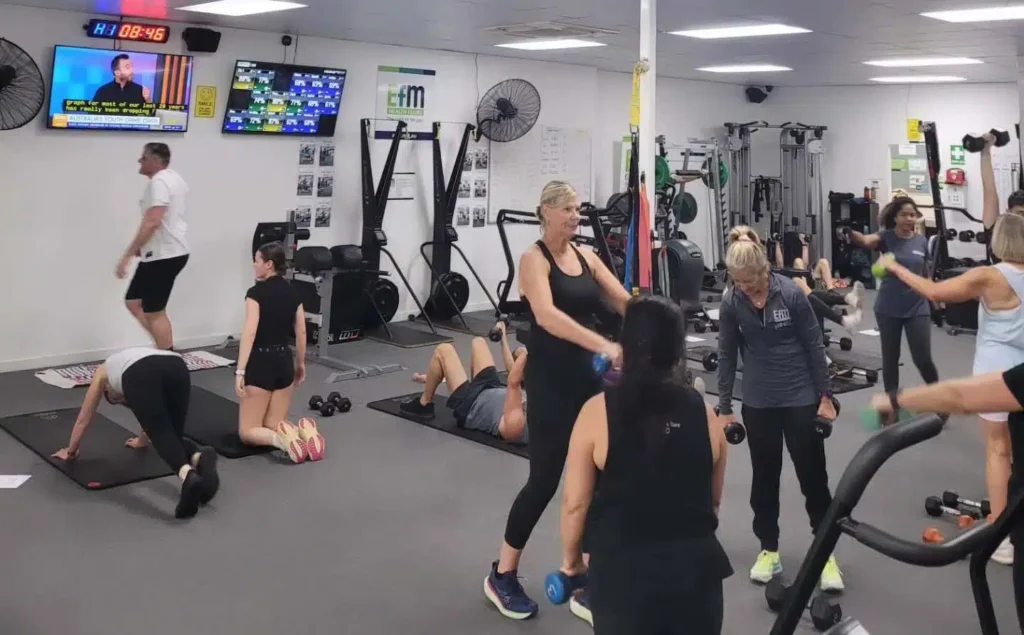
The hardest part of a new gym habit is often knowing what to do when you arrive. At EFM Glenelg, our trainers can guide exercises and adjust them to your starting point. Our coached sessions provide structure, while flexible attendance can help you fit training around your day. You do not have to copy someone else’s workout to feel part of the group.
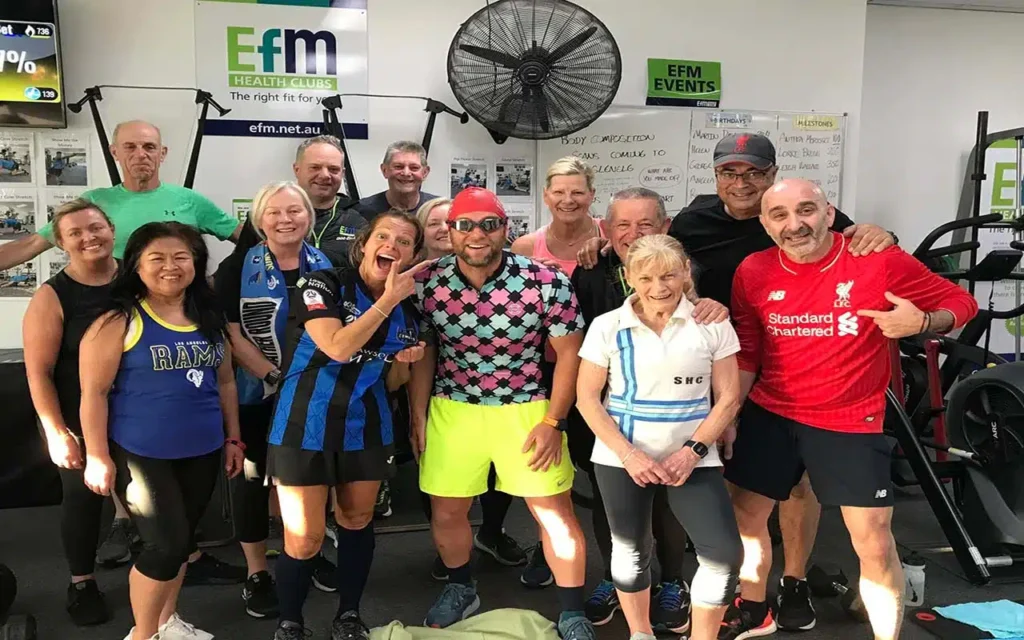
We have served the Glenelg community for more than 15 years. Some members want to build strength, while others simply want to feel more comfortable moving again. Learn more about group personal training in Glenelg if you would like guidance as you begin.
Frequently Asked Questions
Is going to the gym twice a week enough for a beginner?
Yes. Two planned sessions can help you learn exercises, build strength and establish a routine. You can walk or enjoy other activities between visits. Add a third gym session when two days feel comfortable and manageable.
Should a beginner go to the gym every day?
No. You can be active on most days without doing a gym workout every day. Leave time to recover between demanding sessions and choose easier activities, such as walking, on other days.
What if I miss a week at the gym?
Return to your usual schedule with your next planned session. You do not need to make up every workout you missed. If you have been away for longer, start at a comfortable level and ask a trainer to help you adjust.
How many days a week should beginners go to the gym for strength training?
Two strength sessions a week are a practical starting point. Give yourself time to recover between them and focus on learning the movements. As you gain confidence, a trainer can help you decide whether another session would suit your goals.
How do I know if I am going to the gym too often?
Pay attention to whether you feel ready for your next workout and have enough energy for daily life. If you are regularly exhausted, struggling to recover or finding it hard to maintain your schedule, consider fewer or easier sessions. Ask a trainer for help adjusting your plan.
Start With a Schedule That Fits Your Life
If you are wondering how often should beginners go to the gym, start with two or three sessions you can repeat. Pay attention to your energy, give yourself time to recover and adjust your plan as you learn what works. Consistency grows from a routine that belongs in your week.
Want help choosing your first sessions? Explore personal training in Glenelg or start a free trial and talk with our team about your goals.
Final Thoughts
How often should beginners go to the gym? For most people, two or three sessions a week is a practical starting point. It gives you time to learn the exercises, build confidence and recover between visits. You can stay active on other days with a walk or another activity you enjoy.
The best schedule is one that fits your life. Start with days you can attend regularly, then adjust your plan as training becomes more familiar. There is no need to rush into more sessions to make progress.
At EFM Glenelg, our trainers help beginners find a comfortable pace and build a routine they can maintain. Explore our group personal training or start a free trial to talk with us about your goals.