
Many people ask how long should you wait after exercising to eat because the timing of your meal plays an important role in recovery, energy balance, and performance. This is a question that matters for anyone who trains regularly. Your body responds differently depending on when you eat, what you eat, and how intense your workout was. Understanding how long should you wait after exercising to eat helps you support muscle repair and maintain steady energy through the day.
When you know the right timing for your post workout meal, you give your body the nutrients it needs at the moment when it can use them most effectively. This creates a smoother recovery and better long term training results.
How Post Workout Meal Timing Works
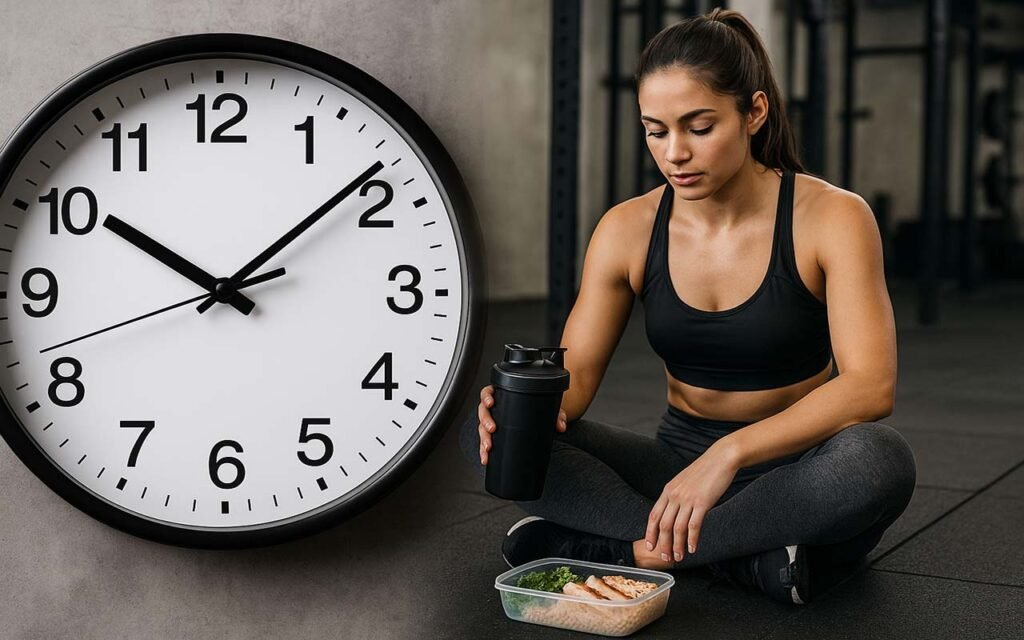
The timing of your meal depends on several factors. These include intensity, training type, and your personal digestion pattern. Most people benefit from eating within thirty to sixty minutes after a workout. This window supports faster glycogen restoration and protein synthesis. This is why learning how long should you wait after exercising to eat can make a noticeable difference in recovery quality.
During exercise your body uses stored carbohydrates and breaks down muscle tissue. After training your system becomes more responsive to nutrients. This makes the first hour after training an important time for refueling. If you miss this window too often your performance may drop over time. You might feel tired, slow, or mentally foggy during the rest of the day.
Even though the thirty to sixty minute guideline is a helpful starting point, the ideal timing changes based on how your session looks. Short and intense sessions require quicker refueling. Longer endurance sessions allow slightly more time. Paying attention to your body helps you choose how long should you wait after exercising to eat based on what you did in your session.
Why Eating Soon After Training Supports Recovery
Eating soon after training helps your body repair tissue and restore energy levels. Research shows that consuming protein and carbohydrates within an hour of exercise improves muscle repair by up to thirty percent. Your body is more sensitive to nutrients during this period. This is why the question of how long should you wait after exercising to eat has a direct effect on your progress.
Protein helps rebuild muscle fibers. Carbohydrates help refill glycogen stores and support energy for your next session. Healthy fats help with long term recovery. When you eat early you support all of these processes more efficiently.
Here is a clear table that shows ideal eating windows for different training types.
| Training Type | Recommended Time To Eat | Why It Works |
|---|---|---|
| Strength Training | 20 to 40 minutes | Supports rapid muscle repair |
| High Intensity Training | 20 to 30 minutes | Restores fast depleted energy |
| Endurance Sessions | 30 to 60 minutes | Replenishes long duration energy use |
| Light Activity | 45 to 90 minutes | Lower total nutrient demand |
This table helps you understand how long should you wait after exercising to eat based on your workout.
Real World Examples From Everyday Training
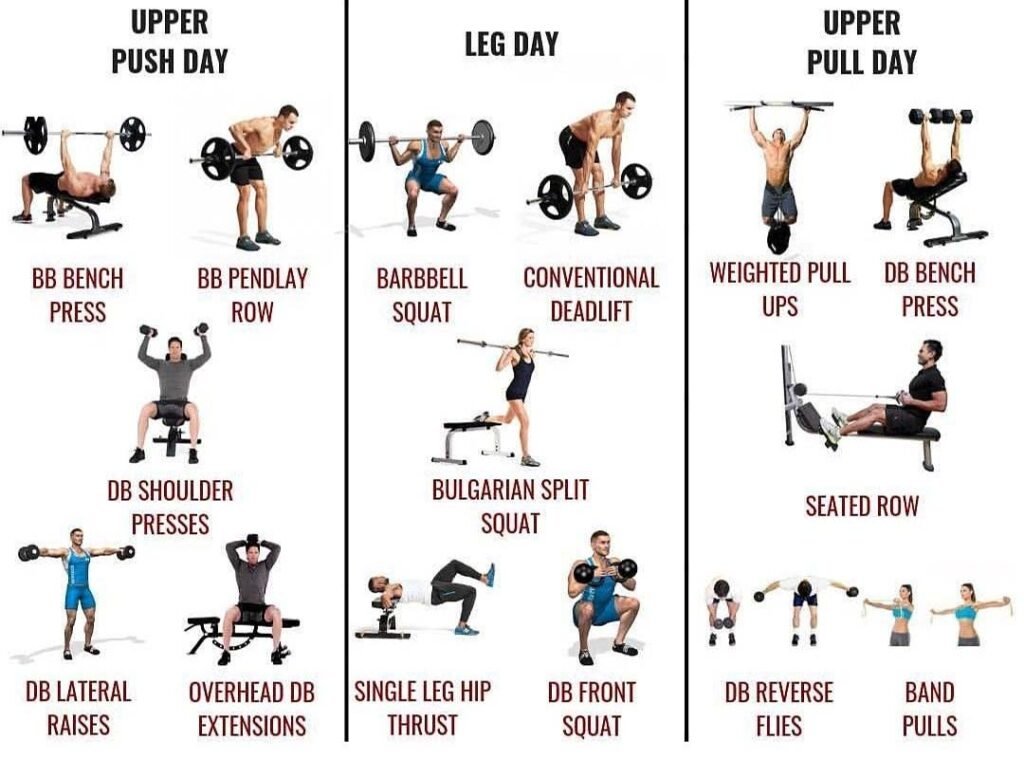
People learn how long should you wait after exercising to eat by paying attention to how they feel after different types of sessions. Here are examples drawn from common training routines.
A runner who completes a five kilometre session usually feels best when eating within forty minutes. Their body relies heavily on glycogen and needs steady replenishment. A lifter who performs a heavy leg day benefits from protein within twenty to thirty minutes. Their muscles respond quickly to nutrients in this window. Someone who finishes a Pilates or mobility session may wait closer to sixty minutes because their energy demand is lower.
Morning trainers often need to eat sooner because their body has fasted overnight. Afternoon or evening trainers sometimes eat a smaller snack first and then a full meal later. These examples show that your own routine influences how long should you wait after exercising to eat in daily life.
The important point is that your body sends clear signals. If you feel shaky, light headed, or drained, it is a sign that you need to eat sooner. If you feel stable and comfortable, your window might be more flexible.
The Science Behind Digestion and Meal Timing
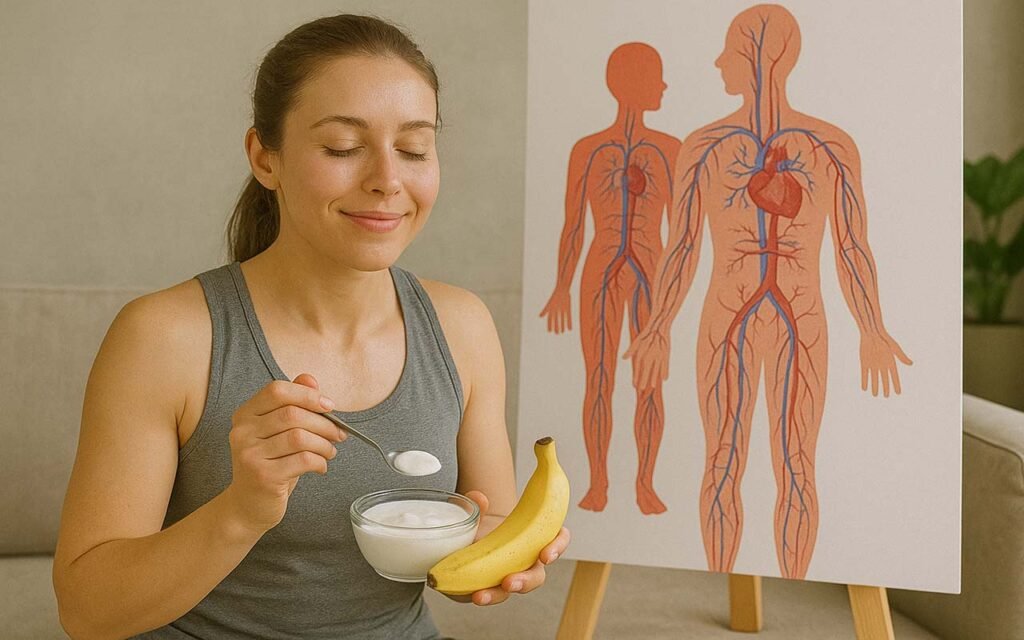
Understanding how long should you wait after exercising to eat becomes easier when you know how digestion works after training. During exercise blood moves toward your working muscles and away from your stomach. This slows digestion. After training your circulation slowly returns to normal. Eating too soon after a very intense session may feel uncomfortable because your stomach is not ready to digest a full meal.
A balanced snack such as yogurt, a banana, or a small protein portion helps bridge this gap. These foods digest easily and deliver nutrients with minimal stress on the stomach. When your digestion has settled you can follow with a larger meal.
Studies show that people who follow a consistent pattern of eating after exercise recover faster and maintain a healthier metabolism. This reinforces the value of learning how long should you wait after exercising to eat based on your personal digestion patterns.
Expert Insight From Coaching and Observation
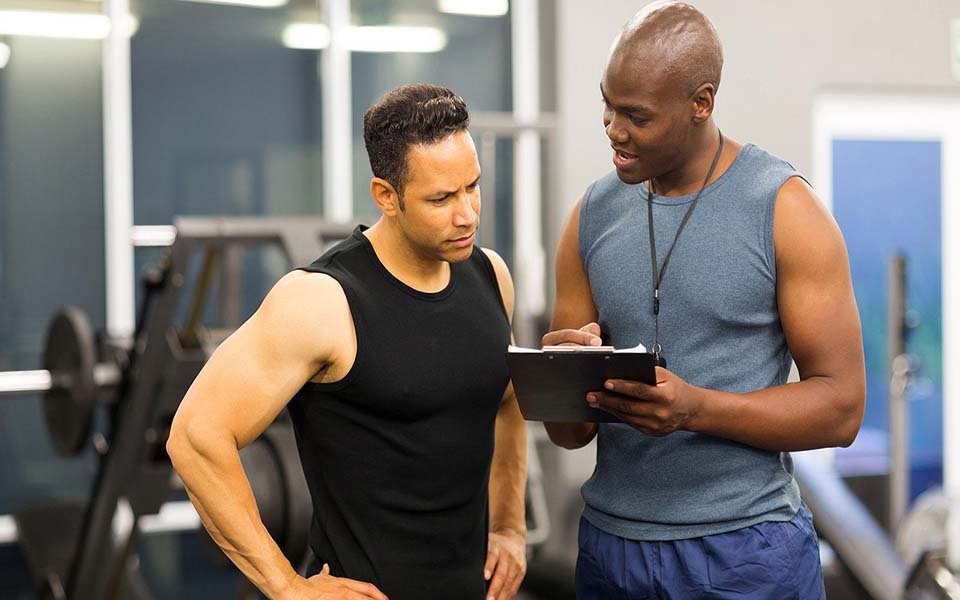
From many years of coaching clients, I have seen that the best approach combines general guidelines with personal awareness. The question of how long should you wait after exercising to eat does not have a single answer for everyone. Your appetite, your training load, and your tolerance to food all influence the ideal timing.
Clients who train multiple times a week benefit from a consistent routine. This helps their body prepare for each session and recover more effectively. People who ignore hunger signals or push meals too far into the day often feel worn out. They also see slower progress in strength and endurance.
My advice is simple. Choose a timing window that your body responds to. Keep meals balanced with protein, carbohydrates, and healthy fats. Adjust based on intensity and comfort. This approach supports long term progress without unnecessary stress.
For more information, we’ve included a related article that covers what to eat before going to the gym.
Frequently Asked Questions
Do I need to eat immediately after training
What if I am not hungry after my workout
Is waiting too long harmful
Does hydration affect timing
Can I eat a full meal instead of a snack
Conclusion
The answer to how long should you wait after exercising to eat depends on your training intensity, schedule, and personal digestion. Most people benefit from eating within thirty to sixty minutes. This window supports muscle repair, energy replenishment, and long term performance. A consistent routine, balanced meals, and attention to hunger signals help you recover smoothly after each session.