Many people start their fitness journey with a simple question: how much does a fitness trainer cost in Australia. The answer depends on several factors, but understanding the typical price range helps you plan your fitness goals with confidence. In this guide, I explain the real costs of personal training across Australia based on industry experience, current market rates and practical insights from the field.
I have worked in and around fitness studios for many years, which gives me a clear view of how trainers set their prices. This article outlines what you can expect to pay, what affects these costs and how to choose the right trainer for long term results.
Average Cost of a Fitness Trainer in Australia
Personal training rates vary across cities and training styles. The numbers below reflect a national average based on data collected from fitness studios, industry surveys and real world price comparisons.
Typical Pricing Breakdown
| Type of Training | Average Cost per Session | Session Length | Notes |
|---|---|---|---|
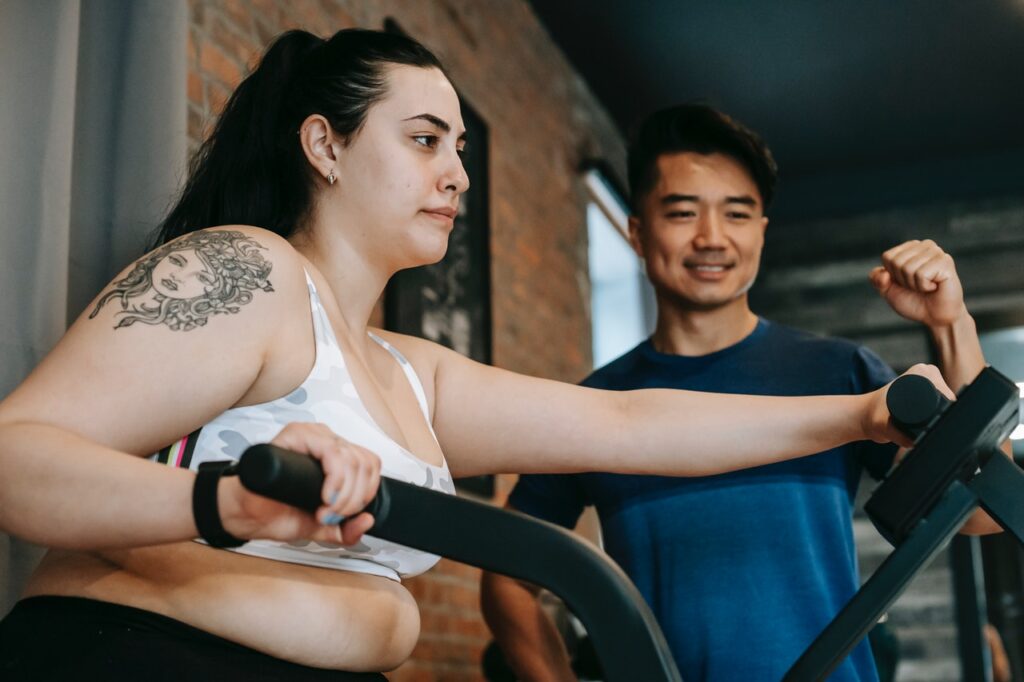
| One on one personal training | 60 to 120 AUD | 45 to 60 minutes | Higher in major cities |
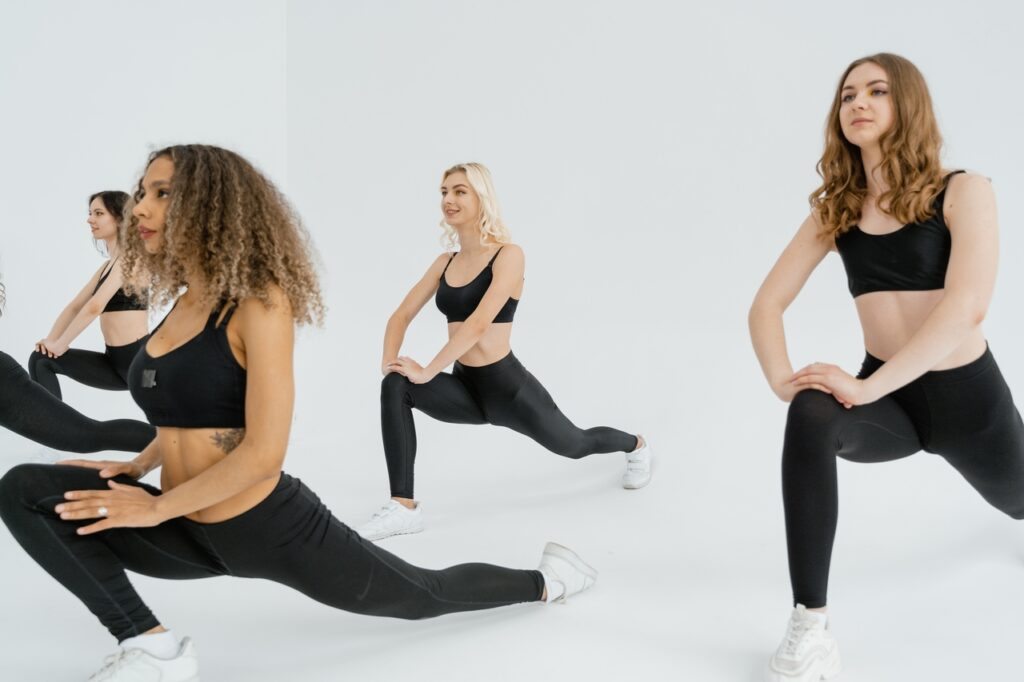
| Small group training | 25 to 45 AUD | 45 to 60 minutes | Lower cost per person |
| Gym based coaching add ons | 15 to 30 AUD | 20 to 30 minutes | Often used as technique refreshers |
| Online or virtual training | 30 to 80 AUD | 30 to 60 minutes | Depends on program depth |
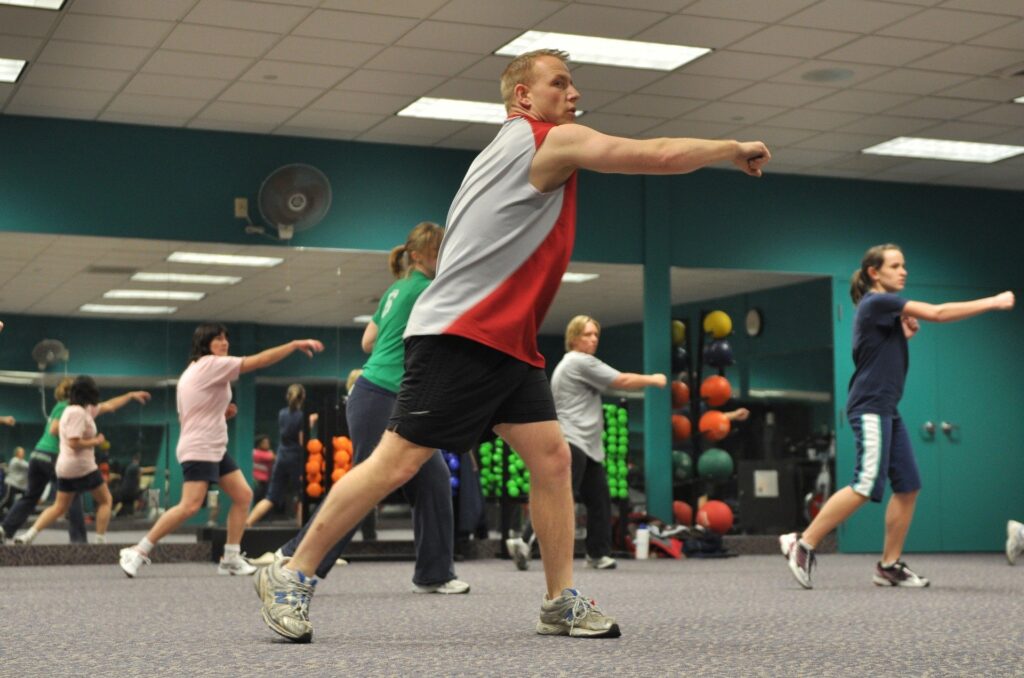
| Group fitness programs | 20 to 35 AUD | 45 minutes | Usually part of a membership |
These numbers show a broad overview, but they do not explain why the price shifts from trainer to trainer. Understanding the factors behind the cost helps you make a more informed decision.
Factors That Influence Training Costs

Training fees depend on more than just the length of a session. Several key elements shape the final price.
Trainer Experience
Trainers with many years of coaching experience usually charge more. Their prices reflect the knowledge they bring to each session. In my experience, experienced trainers also provide better program adjustments and safer technique instructions.
Location
Cities like Sydney and Melbourne have higher training costs because gyms and studios face higher operating expenses. Suburban areas usually offer more affordable sessions without losing training quality.
Training Style and Equipment Needed
Specialised training often costs more. Examples include strength technique coaching, athletic performance training or rehabilitation based programs. These require extra skills and equipment.
Session Frequency
Most trainers reduce the per session price when clients book weekly or monthly packages. This helps clients commit to their routine and motivates consistent progress.
Results Based Programs
Some studios offer structured programs with specific outcomes. These may include testing weeks, nutritional guidance or progress monitoring. These added elements increase the value and the cost.
Why People Choose Personal Trainers
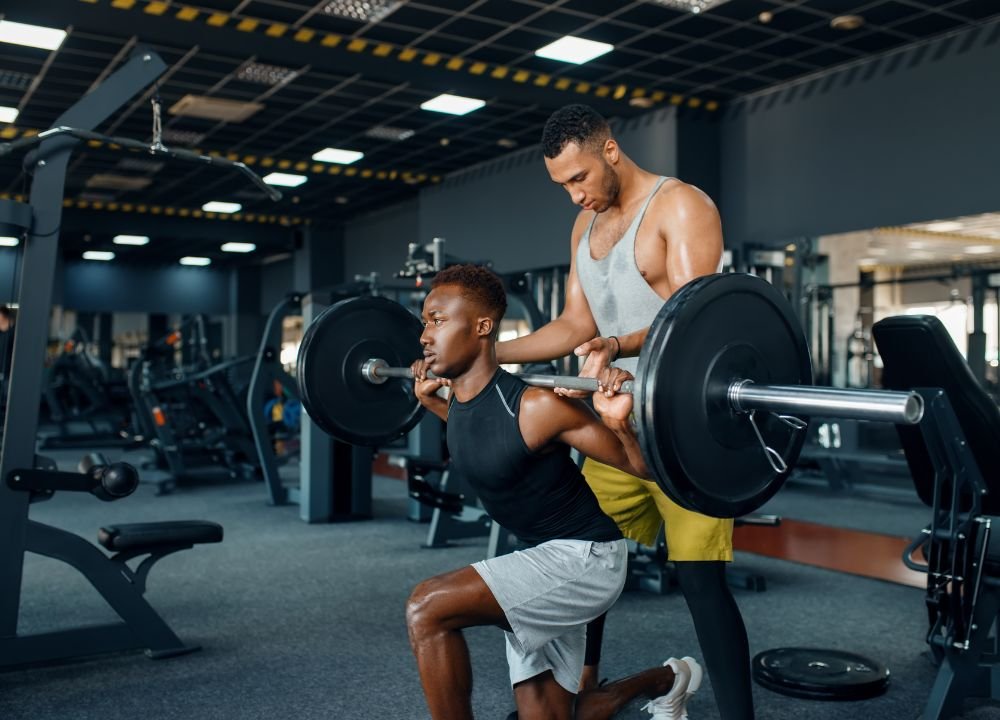
Working with a personal trainer brings measurable benefits that go beyond general improvements. Many clients report higher motivation, faster results and better exercise safety.
Real World Example
A client new to strength training often learns the basics within the first ten sessions. During these sessions they gain confidence, improve movement accuracy and reduce the risk of inefficient or unsafe lifting patterns. These improvements can take months to learn alone.
Measurable Outcomes
Research from the Australian fitness industry shows that clients working with trainers are more likely to reach their strength or weight management goals. Many see improvements of five to fifteen percent in strength during the first six weeks of guided training. Clients aiming for fat loss also benefit from structured plans combined with accountability.
What You Get for the Price
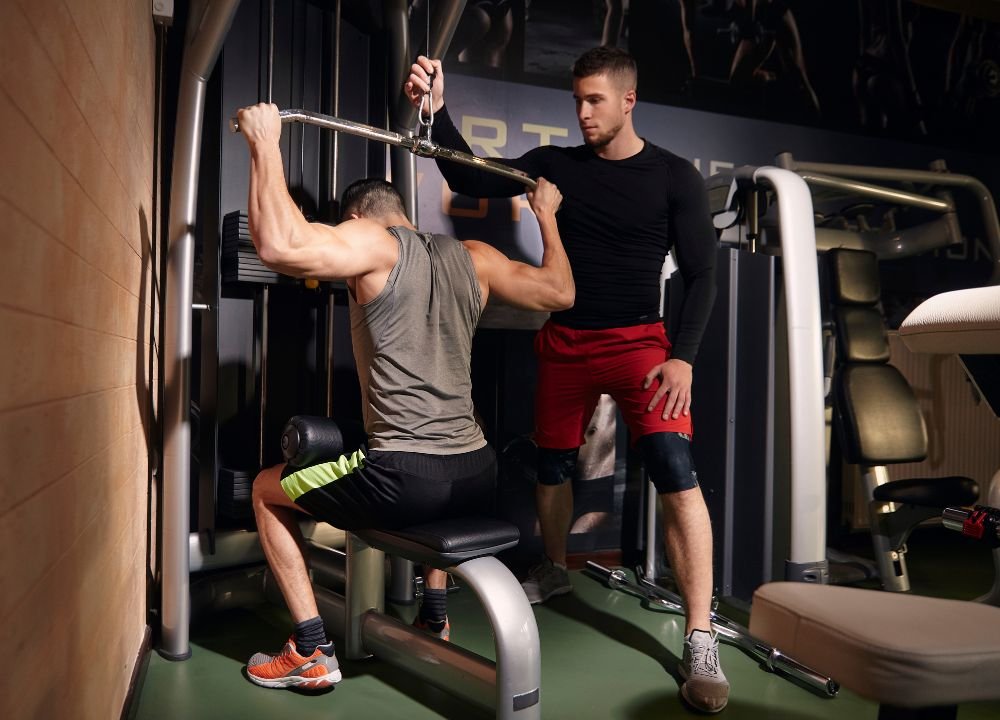
Understanding what is included in the cost helps you compare trainers more effectively.
Program Design
A good trainer builds a program focused on your goals and current fitness level. This includes weekly adjustments based on your progress.
Technique Coaching
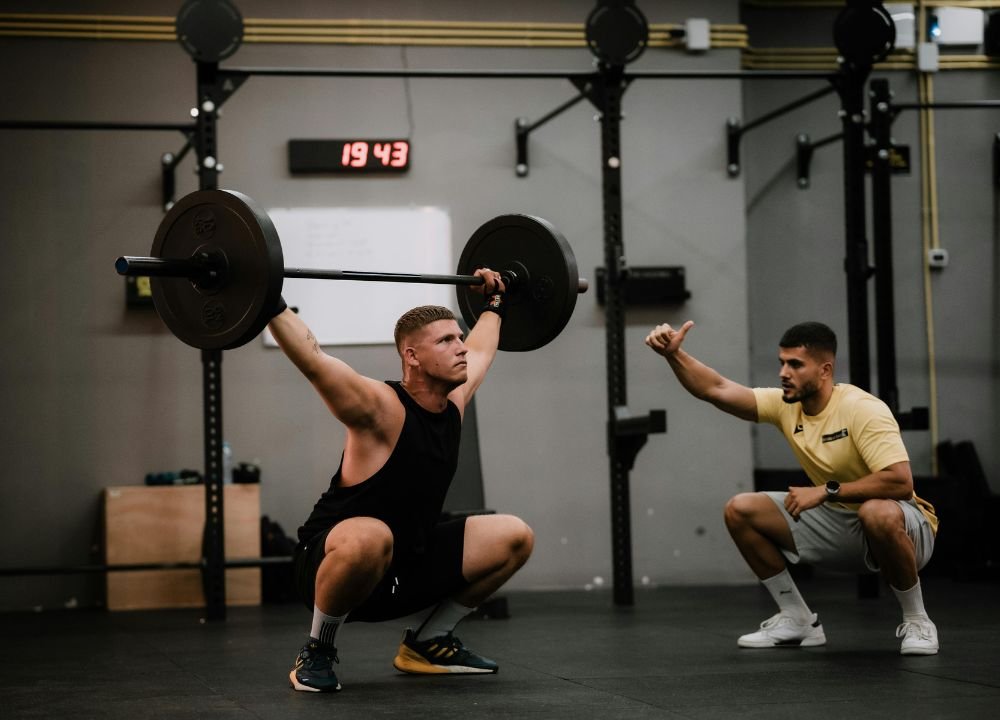
Correct technique improves results and decreases injury risk. Many clients see early improvements simply by refining the way they perform each exercise.
Progress Tracking
Most trainers track weight changes, strength gains and performance metrics. Seeing this data helps you understand how your body responds to training.
Accountability
Regular sessions keep you consistent. Many clients credit the accountability of a trainer as the reason they stay on track long term.
Cost Comparison Across Australian Cities
Prices differ based on regional averages. Below is a simplified overview.
| City | Average Cost per Session | Notes |
|---|---|---|
| Sydney | 90 to 120 AUD | Strong demand and high overhead costs |
| Melbourne | 80 to 110 AUD | Large fitness market with diverse trainers |
| Brisbane | 70 to 100 AUD | Balanced pricing with many studio options |
| Adelaide | 60 to 90 AUD | More affordable than larger cities |
| Perth | 70 to 100 AUD | Moderate price range |
These values give you a clear picture of what to expect when comparing trainers in different areas.
How to Choose the Right Trainer

Choosing a trainer involves more than looking at the price. Several important factors help you determine if a trainer is a good match.
Check Qualifications
Look for certifications from recognised Australian fitness bodies. Trainers studying human movement or sports science can offer more detailed guidance.
Assess Communication Style
You should feel comfortable discussing goals and challenges. A trainer with a supportive communication style helps you stay motivated.
Review Training Method
Some trainers favour strength training while others focus on conditioning or sport specific coaching. Match the method to your goals.
Ask About Results
A reliable trainer should provide clear examples of client progress. This can include strength improvements, mobility gains or general fitness outcomes.
Are Trainers Worth the Investment
Based on years of experience in gym environments, I have observed that clients who invest in personal training see better long term results. The combination of structure, feedback and motivation leads to steady improvement.
Efficiency and Time Savings
A well planned session removes the guesswork. This saves time and increases training effectiveness.
Injury Prevention
Trainers correct movements early. This prevents common errors that lead to strain or long term discomfort.
Consistency
Regular booked sessions encourage routine. Consistency is one of the strongest predictors of fitness success.
Budget Friendly Alternatives
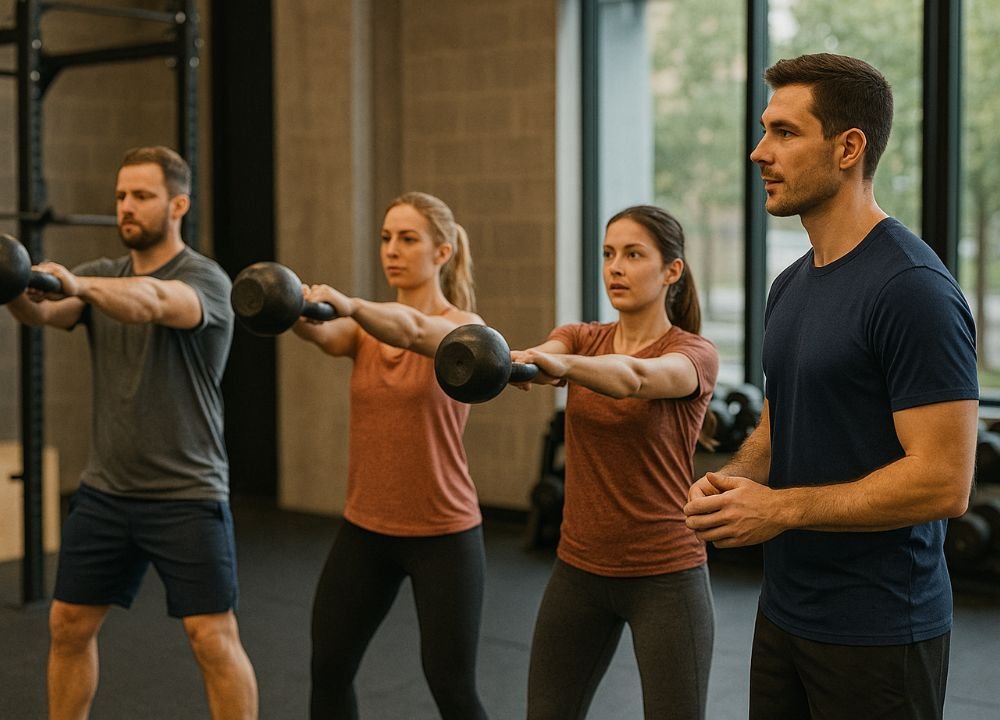
Not every client needs one on one training to succeed. There are affordable options that still deliver strong results.
Small Group Training
Small groups offer personal attention at a lower cost. The shared environment often increases motivation.
Gym Memberships With Coaching Support
Some studios include guided coaching within membership fees. This allows clients to receive professional direction without paying full personal training rates.
Online Coaching
Online programs provide structured training at a reduced cost. This works well for clients who prefer flexible schedules.
Frequently Asked Questions
How many sessions do most people book
Many clients start with one or two sessions per week. This gives enough structure to build technique and progress safely.
Can beginners benefit from a trainer
Beginners often benefit the most. They learn foundational movements quickly and avoid forming poor habits.
How long before progress becomes visible
Most clients notice measurable improvements within four to six weeks. Strength increases, better energy levels and improved technique appear early in the process.
Conclusion
Understanding how much does a fitness trainer cost in Australia helps you plan your fitness journey with greater clarity. Prices vary based on experience, location and training style, yet the value remains strong for clients who want expert guidance and well structured programs. With clear goals and consistent effort, personal training becomes an investment that delivers both short term and long term results.
If you want to learn more about related topics, read our upcoming article on choosing the right training style for your goals.