
If you want to lose weight with gym training, the most important thing to understand is that exercise is only one part of the process. Your food intake, daily activity, sleep, recovery and consistency all influence how successfully you can manage your weight.
The gym can still be extremely useful. It gives you access to resistance training, cardiovascular equipment and professional guidance, all of which can help you become fitter while increasing your overall activity.
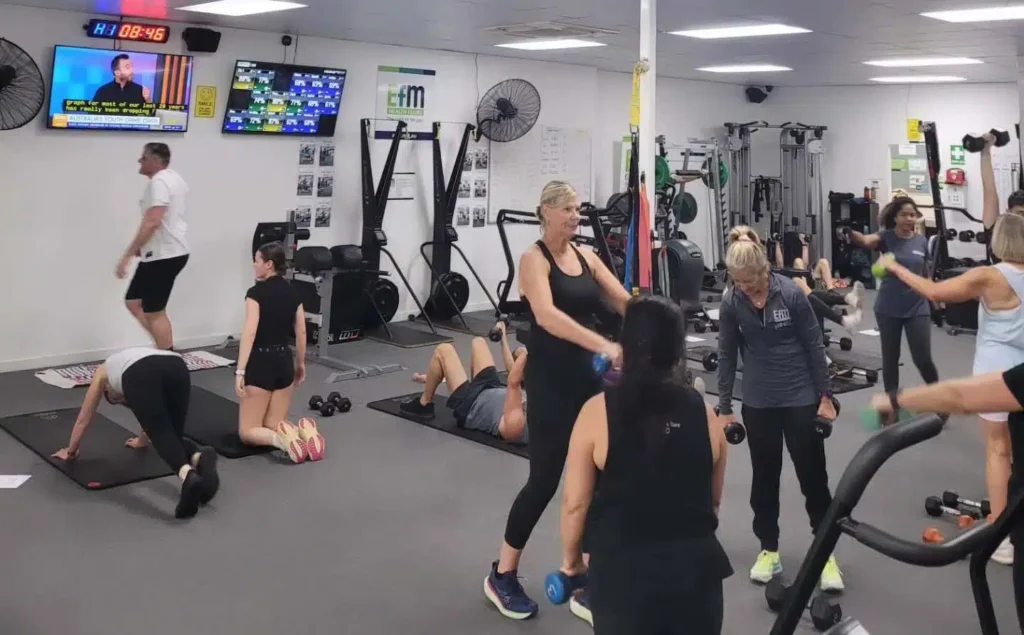
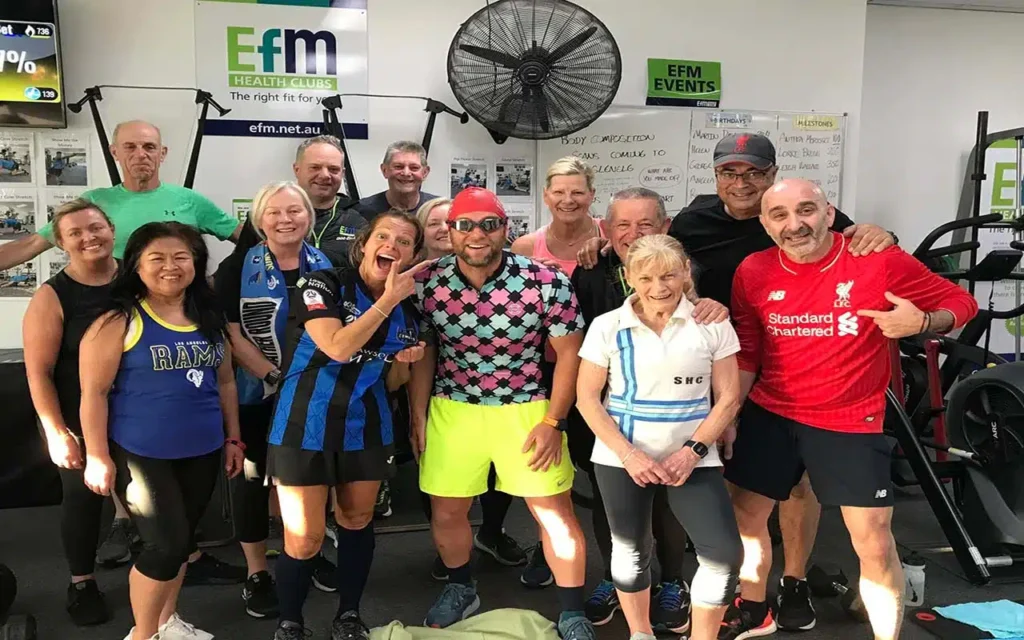
At EFM Glenelg, we have worked with people at different stages of their fitness journey for more than 15 years. One thing we regularly see is that sustainable progress tends to come from habits people can maintain rather than extreme workout plans.
These 10 practical tips will help you build a more balanced approach to exercise and weight management.
How Does Going to the Gym Help With Weight Loss?
Weight loss occurs when energy expenditure remains higher than energy intake over time. Exercise can contribute by increasing the amount of energy you use, but relying entirely on workouts while ignoring nutrition usually makes the process more difficult.
Gym training can also provide benefits that are not shown directly on the scales.
Resistance exercise helps build or maintain lean tissue, while cardiovascular exercise can improve fitness and increase energy expenditure. ACSM notes that resistance training can help preserve lean tissue during periods of weight loss when combined with broader lifestyle approaches.
This is why we prefer combining both forms of training rather than treating cardio as the only exercise that matters for weight management.
A successful program should also improve your strength, fitness and movement capacity.
If you focus exclusively on body weight, you may overlook several important signs that your training is working.
10 Tips for Losing Weight With Gym Training
A good weight-management plan should be realistic enough to continue for months rather than days.
| Tip | Main Purpose |
|---|---|
| Set realistic goals | Creates a clear direction |
| Follow a structured program | Removes guesswork |
| Include cardio | Increases activity and fitness |
| Strength train regularly | Helps maintain lean tissue |
| Increase daily movement | Raises overall activity |
| Use intervals selectively | Adds training variety |
| Track progress sensibly | Shows longer-term trends |
| Improve nutrition | Supports energy balance |
| Prioritise sleep and recovery | Supports training consistency |
| Stay consistent | Turns short-term effort into habits |
You do not need to implement everything perfectly from day one.
Choose a few changes that fit your current lifestyle and build from there. Once those habits feel normal, additional improvements become much easier to maintain.
1. Set Realistic Weight Loss Goals
Before changing your training program, decide what you actually want to achieve.
Many people begin with a goal such as losing a particular number of kilograms. That can provide direction, but we also recommend creating performance and behaviour goals.
You might aim to complete three workouts each week, walk more regularly or improve your strength on a few key exercises.
These goals give you something you can control directly.
Weight can fluctuate because of hydration, food intake and other factors, so daily scale changes do not always reflect changes in body fat.
Instead of expecting dramatic results within a few weeks, think in longer timeframes.
At EFM Glenelg, we prefer sustainable goals because they reduce the temptation to follow extreme programs.
Your trainer can also help turn a broad objective such as “lose weight” into smaller, measurable targets that make progress easier to recognise.
2. Follow a Structured Workout Plan
Walking into the gym without knowing what you are going to do can make consistency difficult.
A structured program gives each workout a purpose.
For someone focused on weight management, that may include resistance training, cardiovascular exercise and additional daily movement throughout the week.
The exact structure will depend on your fitness level, experience and schedule.
A beginner may benefit from two or three full-body workouts each week rather than trying to train every day.
We often find that fewer well-planned sessions produce better consistency than an ambitious schedule that becomes impossible to maintain.
Your workout should also progress.
If the same session becomes easy, your trainer might gradually increase resistance, repetitions, duration or another training variable.
A good program should challenge you without leaving you exhausted after every session.
If you are uncertain where to start, professional guidance can remove much of the guesswork and help you build a routine around your actual availability.
3. Include Cardio Without Relying on It Alone
Cardiovascular exercise can be a valuable part of gym workouts for weight loss because it increases activity while improving cardiovascular fitness.
You have many options.
Treadmills, stationary bikes, rowing machines, cross trainers and stair machines can all provide effective cardiovascular exercise. There is no requirement to use the activity that burns the most calories on a machine display.
Choose something you can perform comfortably and consistently.
Australian physical activity recommendations encourage adults to complete regular moderate to vigorous exercise as part of an active lifestyle. Building cardio gradually can help you move towards those recommendations without trying to perform long, exhausting sessions immediately.
Cardio should also complement resistance training rather than replace it.
At EFM Glenelg, we like combining both because they provide different benefits.
Start with manageable sessions and gradually increase duration or intensity as your fitness improves.
A workout you can repeat every week is far more valuable than one extremely difficult cardio session that discourages you from returning.
4. Make Strength Training a Priority
Strength training is sometimes overlooked by people trying to lose weight because they assume cardio should receive all their attention.
Resistance training deserves a regular place in your program.
Exercises such as squats, rows, presses, deadlift variations and pulldowns can train several large muscle groups while developing strength.
During weight loss, maintaining lean tissue is particularly important. ACSM notes that resistance exercise can help preserve lean body mass as part of broader weight-management strategies.
You do not need to become a bodybuilder or lift extremely heavy weights.
Start with exercises that suit your ability and gradually increase the challenge.
ACSM’s updated resistance training guidance also emphasises consistency and recommends regularly training the major muscle groups rather than relying on overly complicated programs.
For many beginners, two or three structured resistance sessions each week can provide a practical foundation.
5. Increase Your Daily Movement
Your gym workouts are important, but they represent only a small part of your week.
What you do outside the gym also affects your total activity.
Walking to nearby shops, taking stairs, standing more often or going for a short walk during lunch can all contribute additional movement without requiring another formal workout.
This is sometimes referred to as non-exercise physical activity.
For someone who sits for most of the working day, increasing everyday movement can be particularly useful.
You do not need to suddenly aim for an arbitrary step target if your current activity is low.
Instead, establish your normal pattern and gradually increase it.
For example, you might begin with a 15-minute walk after dinner or add a short morning walk several days per week.
At EFM Glenelg, we encourage members to think beyond gym sessions.
A more active lifestyle generally provides a stronger foundation than completing a few workouts while remaining almost completely sedentary for the rest of the week.
6. Use Interval Training When Appropriate
Interval training alternates harder periods of exercise with easier recovery periods.
For example, you might cycle at a challenging pace for one minute and then recover at an easier pace before repeating the sequence.
This approach can make cardiovascular sessions efficient and varied.
However, you do not need high-intensity interval training in every workout to lose weight.
Very demanding sessions create fatigue, and doing too much intense exercise can make consistency and recovery harder.
Beginners should build basic cardiovascular fitness before attempting aggressive interval programs.
A simple progression might involve short periods of faster walking mixed with easier walking before eventually increasing the intensity.
Choose intervals according to your fitness level.
At EFM Glenelg, we see interval training as one tool rather than a magic fat-loss method.
Steady cardiovascular exercise, resistance training and regular walking can all contribute to an effective program.
Use high-intensity work when it suits your goals, recovery and current ability rather than assuming harder always means better.
7. Track Progress Beyond the Scales
The scales can provide useful information, but they should not be your only measure of progress.
Body weight naturally fluctuates from day to day. Looking at longer-term trends provides much more useful information than reacting to a single measurement.
Consider tracking other changes as well.
Your clothes may fit differently. You may become stronger, walk further without becoming tired or complete workouts that previously felt difficult.
Taking waist measurements periodically can also provide another reference point.
A training log is useful too.
Record exercises, weights, repetitions and cardio sessions so you can see whether your physical capacity is improving.
At EFM Glenelg, we encourage people to recognise these wins because fitness progress is broader than a number on a scale.
If you become stronger, fitter and more active while gradually moving towards a healthier body weight, your program is doing much more than simply helping you weigh less.
8. Pay Attention to Nutrition
Exercise cannot fully compensate for an eating pattern that consistently provides more energy than your body requires.
Nutrition therefore needs to be part of a sustainable weight-management plan.
This does not mean eliminating entire food groups or following an extremely restrictive diet.
The Australian Dietary Guidelines emphasise eating a wide variety of nutritious foods that provide energy, protein, healthy fats, vitamins and minerals.
Build meals around foods you enjoy and can realistically continue eating.
Protein-rich foods can be useful for satiety and maintaining lean tissue, while vegetables, fruit and wholegrain foods can contribute fibre and nutrients.
Portion sizes matter as well.
If you are uncertain about your nutritional needs or have medical considerations, seek advice from an Accredited Practising Dietitian or another appropriately qualified health professional.
Your trainer can support your exercise routine, but specialised dietary treatment should remain within the appropriate professional scope.
9. Prioritise Sleep and Recovery
Trying to lose weight by training harder while sleeping poorly can make the process considerably more difficult.
Sleep supports recovery, concentration and your ability to perform well during training.
When you are constantly exhausted, it also becomes harder to maintain routines around exercise and food.
Recovery includes more than simply taking days off.
Your body also needs adequate nutrition, hydration and sensible training volume.
If you continually add more workouts because you believe more exercise must mean faster results, fatigue can eventually reduce the quality of those sessions.
At EFM Glenelg, we prefer training that members can sustain.
Some days should be demanding. Others can involve lighter activity such as walking or mobility work.
Pay attention to persistent fatigue, declining performance or unusually long-lasting soreness.
These signs may indicate that your overall workload needs adjusting.
Better recovery allows you to return to the gym ready to train productively again.
10. Stay Consistent Rather Than Chasing Fast Results
Consistency is usually less exciting than a dramatic transformation plan, but it is far more useful.
Most people can follow a highly restrictive program for a few days. Maintaining healthy behaviours for several months is the real challenge.
This is why we recommend making changes that fit your life.
If you can realistically exercise three days per week, build your program around three sessions rather than promising yourself that you will train every day.
Do the same with nutrition.
Small improvements that become habits are generally more valuable than temporary perfection.
Your progress may not look identical every week either. Weight-loss trends can slow, and life sometimes interferes with your routine.
That does not mean your entire plan has failed.
Return to the basics.
Train regularly, stay active, eat sensibly and prioritise recovery.
At EFM Glenelg, we have seen that people who continue showing up tend to achieve far more than those who constantly restart with a new extreme strategy.
Is Walking Good for Weight Loss?
Walking is one of the simplest ways to increase physical activity.
It requires little equipment, is accessible to many fitness levels and can be performed outside the gym as well as on a treadmill.
For beginners, walking can also provide a comfortable transition into regular exercise.
You might begin with 15 to 30 minutes at a pace that raises your breathing slightly while still allowing conversation.
As your fitness improves, gradually increase your speed, duration or incline.
There is no need to compare walking negatively with running.
Running generally demands more energy per minute, but the best form of exercise is still one you can perform consistently without creating unnecessary discomfort.
Walking can also be added to days when you are not completing a formal gym workout.
That makes it particularly useful for increasing total weekly movement without requiring high levels of recovery.
Simple activities can produce meaningful results when they become part of your normal routine.
Is Running Better Than Walking for Weight Loss?
Running and walking can both contribute to weight management.
Running is generally more intense and can cover more work in a shorter period, but that does not automatically make it the right option for everyone.
Beginners may find walking easier to recover from, particularly if they have not exercised regularly for some time.
Someone who enjoys running and tolerates it comfortably can certainly include it in their routine.
Other people may prefer cycling, rowing or incline treadmill walking.
There is no prize for choosing the hardest activity.
Your program should reflect your body, fitness level and preferences.
If you are new to running, increase volume gradually instead of suddenly trying to complete long sessions.
You can also combine walking and running intervals.
At EFM Glenelg, we encourage people to select cardio based on what they can perform consistently.
Weight management depends on the bigger picture, not whether your treadmill speed says walking or running.
Can Cycling Help With Weight Loss?
Cycling is another useful cardiovascular exercise for people who want to increase activity.
Stationary bikes allow you to adjust resistance easily and can provide anything from light recovery exercise to challenging interval sessions.
One advantage is that cycling does not involve the same repeated impact as running, which some people find more comfortable.
It can also be easy to progress.
Begin with a manageable duration and resistance, then gradually increase one variable as your fitness improves.
Cycling alone is not a guarantee of weight loss.
Like every other exercise, it contributes to your total energy expenditure and works best alongside appropriate nutrition and consistent activity.
You can also alternate cycling with other forms of cardio to keep training interesting.
For example, one session might include the bike while another uses the treadmill or rowing machine.
You do not need a special fat-burning machine.
Choose cardiovascular exercises that you enjoy enough to keep performing regularly.
Can Yoga Help With Weight Management?
Yoga can be a useful part of a balanced fitness routine, particularly for mobility, body awareness and relaxation.
Some styles are physically demanding, while others focus more on controlled movement and flexibility.
However, yoga should not be promoted as a specialised fat-burning solution.
Its value depends on the style, duration and how it fits into the rest of your activity.
If you enjoy yoga, it can complement strength and cardiovascular training nicely.
It may also provide a lower-intensity option on days between more demanding gym sessions.
For weight management, think about your complete week rather than judging one activity in isolation.
Resistance training, walking, cardio, recreational movement and yoga can all contribute in different ways.
The best program does not need every possible form of exercise.
It needs enough variety to support your goals while remaining realistic.
If yoga helps you stay active and improves how your body feels, it can absolutely have a place in your routine.
How Often Should You Go to the Gym to Lose Weight?
There is no universal number of gym sessions required for weight loss.
Your ideal frequency depends on your experience, schedule, nutrition, overall activity and recovery.
For many beginners, three structured sessions per week can be a practical starting point.
You might combine two or three resistance workouts with moderate cardio and regular walking throughout the week.
Australian guidelines recommend adults perform muscle-strengthening activities on at least two days each week and accumulate regular moderate to vigorous physical activity.
That provides a useful health-based framework.
However, you do not need to complete every minute of your physical activity inside a gym.
Walking, cycling and other activities also count towards an active lifestyle.
At EFM Glenelg, we recommend choosing a schedule you can reliably maintain.
Three sessions completed every week for several months are more useful than six sessions during your first week followed by stopping entirely because the routine became overwhelming.
Should You Work Out Every Day to Lose Weight?
No. Exercising every day is not required for losing weight.
Daily movement can be beneficial, but every day does not need to involve an intense gym workout.
Your body needs recovery from demanding resistance and high-intensity cardiovascular sessions.
A balanced week can include structured workouts, walking, lighter activity and complete rest when needed.
Trying to maximise calorie burn by training aggressively every day can create unnecessary fatigue.
It may also make exercise feel like punishment rather than a sustainable part of your lifestyle.
Instead, focus on the quality of your sessions and your overall consistency.
For example, you might complete resistance training on Monday, Wednesday and Friday while walking or doing lighter activity on other days.
That creates regular movement without demanding maximum effort every day.
Your training plan should leave you capable of returning to the gym and performing well rather than constantly feeling exhausted.
How a Trainer Can Help With Weight Loss Workouts
A trainer cannot lose weight for you, but they can make the exercise side of the process considerably easier to manage.
Professional guidance can help you choose appropriate exercises, learn correct technique and create a realistic weekly program.
Your trainer can also monitor progress and adjust the challenge as your fitness improves.
This removes one of the biggest barriers beginners face.
You no longer need to walk into the gym wondering what to do.
At EFM Glenelg, our trainers work with members at different starting points. Some people are already comfortable exercising, while others have not followed a structured program for years.
The training should reflect those differences.
A trainer can also provide accountability when motivation naturally changes.
The goal should eventually be greater confidence and understanding, not dependence on someone telling you every move forever.
Final Thoughts
Learning how to lose weight with gym training is not about finding one perfect treadmill workout or doing as much exercise as possible.
A sustainable approach combines resistance training, cardiovascular exercise, everyday movement, sensible nutrition and adequate recovery.
Most importantly, it needs consistency.
Set realistic goals, follow a structured program and gradually improve your fitness rather than searching for shortcuts. Strength training can help preserve lean tissue, cardio can improve fitness and increase activity, and better nutrition can support the energy balance required for weight management.
At EFM Glenelg, we have spent more than 15 years helping people build exercise routines around real lives and realistic goals.
If weight management is one of your goals, start with habits you can maintain. Train regularly, move more outside the gym, eat in a balanced way and give yourself enough time to see progress.
The most effective plan is usually not the fastest one. It is the one you can keep following.